


Sun And Sky Towers | Dhabi, UAE
Completion Date: 2011
Project Overview
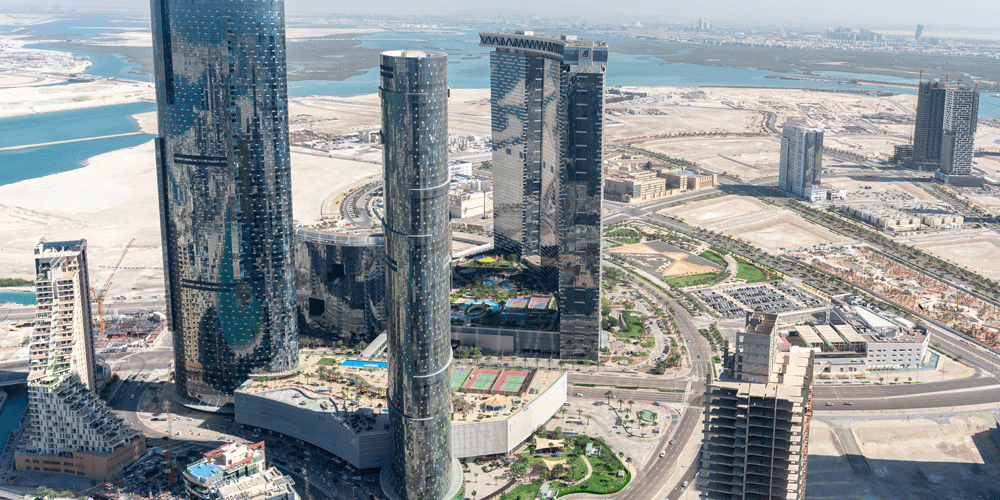
Al Reem Island is a mixed-use community in Abu Dhabi that includes residential, retail, and commercial spaces. There’s even a campus of Paris’s famed Sorbonne University. Shams Abu Dhabi, Aldar’s flagship development on the island, is home to two of the tallest buildings in the city. At 312 m (1,024 ft) and 247 m (810 ft), the Sky and Sun Towers are the third and seventh tallest structures in Abu Dhabi, and CPP is pleased to have played a role in their success.
Sky Tower includes a mix of residential and commercial units, while Sun Tower is completely residential. Ensuring comfort both inside and out led to the success of these iconic additions to the Abu Dhabi skyline.
Why CPP
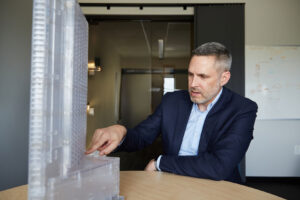
CPP Vice President Dr. Roy Denoon led a comprehensive study of both of these structures to determine structural wind loads and responses, wind pressures on cladding, and outdoor pedestrian-level comfort.
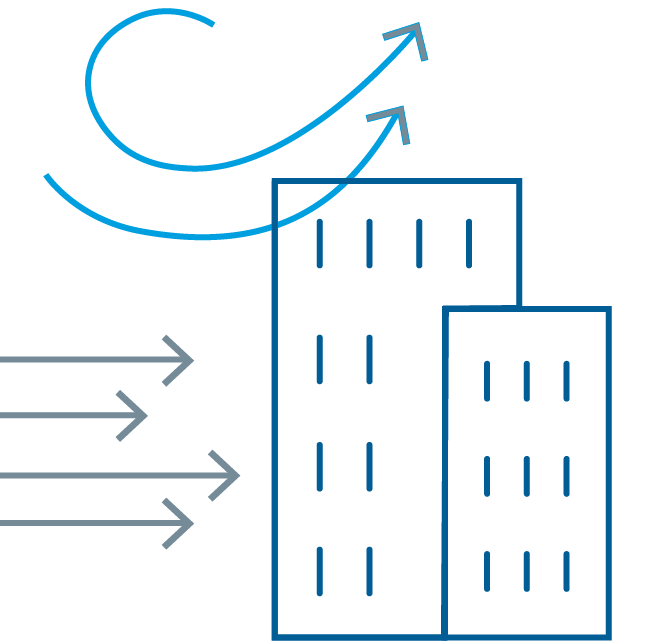
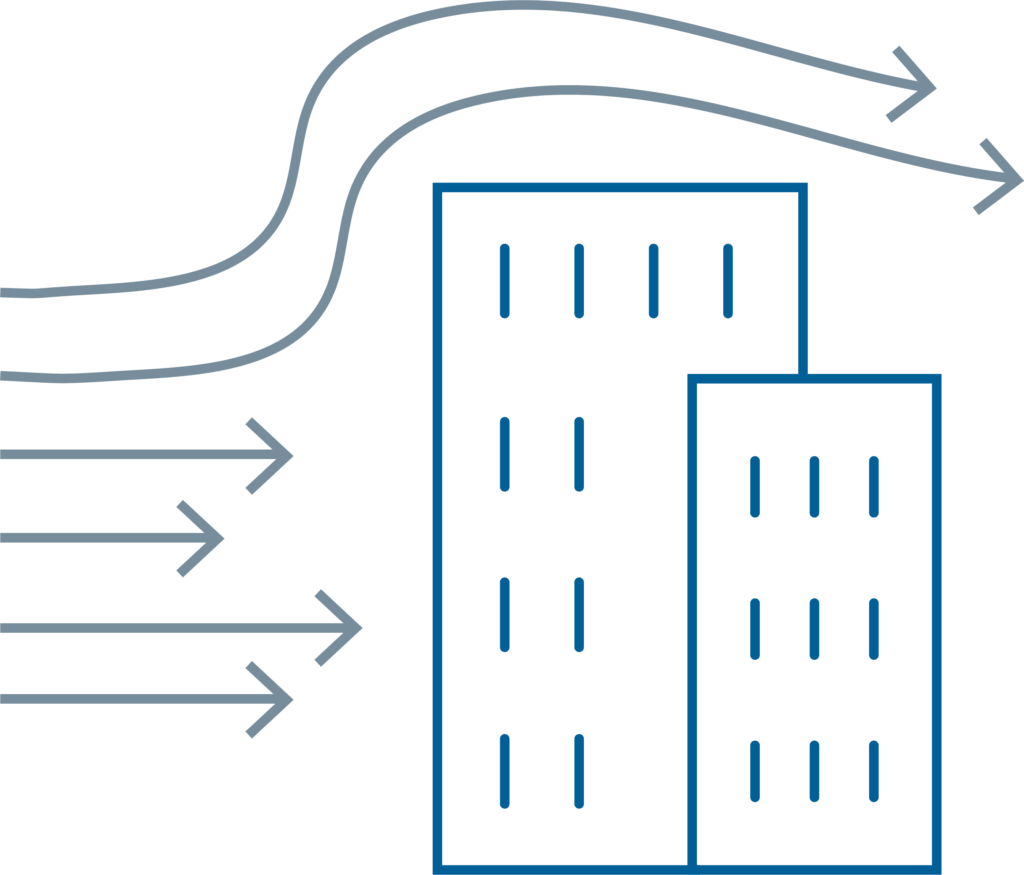
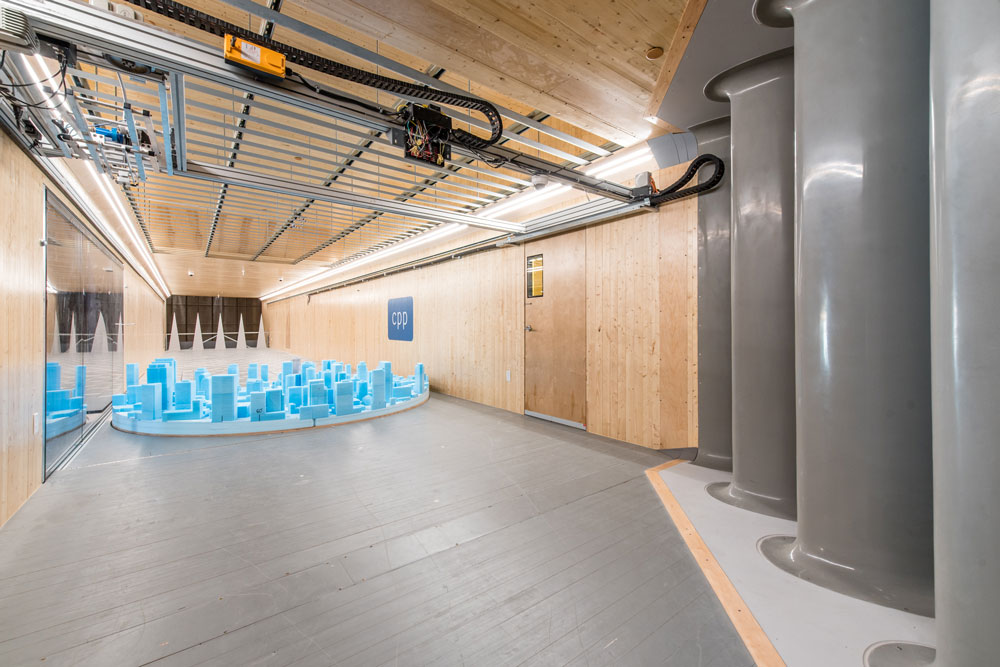
Through wind tunnel testing, we evaluated the wind forces from 36 directions of the compass. Combining this information with our knowledge of the Abu Dhabi wind climate and the building properties provided by Hyder Consulting, we were able to predict how the towers would respond and ensure that they would survive the extreme wind events occasionally experienced in the region.
We also evaluated the potential for building occupants to experience discomfort from building motion. All tall buildings sway in the wind to some degree, but under the wrong circumstances, that sway can be large enough to cause distress to occupants (especially those on the upper floors). Fortunately, in the case of the Sun and Sky towers, we found the motions on the upper floors to be well within acceptable limits.
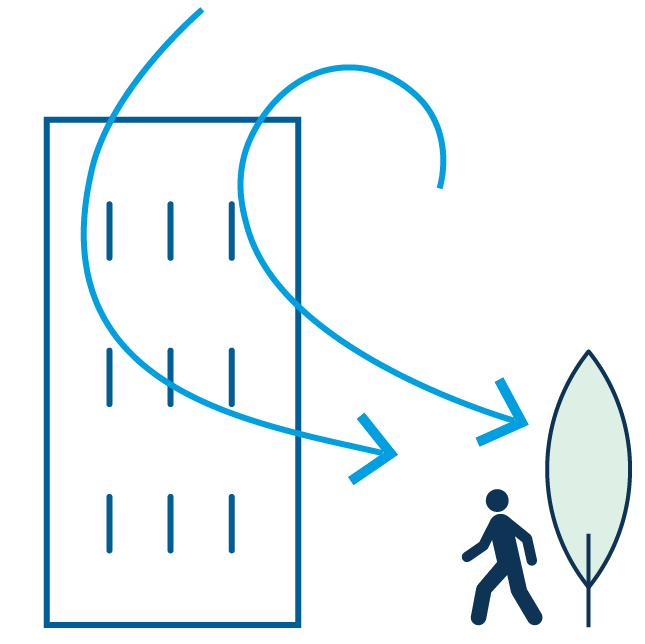
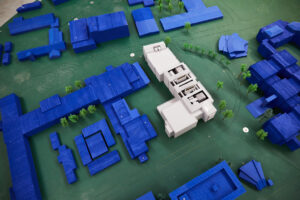
To allow the designers to create a safe and economical cladding system, we outfitted the Sun and Sky pressure models with 548 and 397 pressure taps, respectively. Pressure models like these feature a dense distribution of pressure taps all over the surface of the building, which lets us measure fluctuating pressures as we simulate atmospheric wind events in our boundary layer wind tunnel. Finally, our engineers examined critical locations around the buildings to learn whether the wind conditions would be comfortable for pedestrians outside. For this kind of study, we use a hot-film anemometer or our proprietary CPP probes, which allow us to accurately measure wind speeds at virtually any location we choose. For areas that were too windy, we offer architectural mitigation measures or landscaping recommendations to provide more shelter and improve pedestrian comfort.
Client Info
Structural Engineer:
Hyder Consulting
Architect:
Arquitectonica
Expert Details
CPP Project Director:
Dr. Roy Denoon