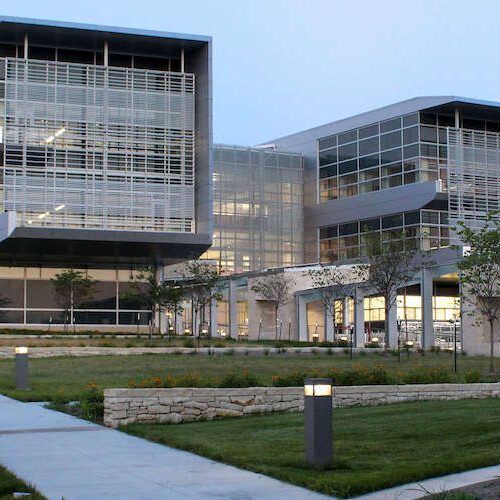







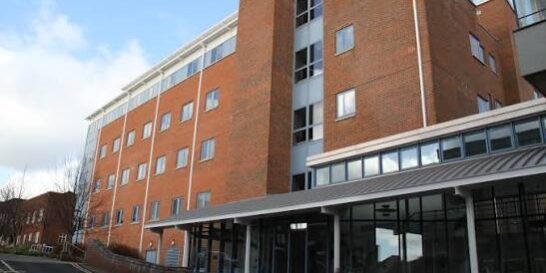
University of Southampton Building 30 | Southampton, England
Completion Date: 2012
Project Overview
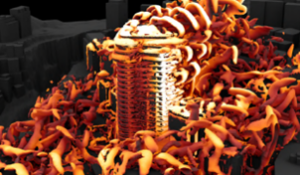
The University of Southampton is situated on England’s southern coast, about 70 miles (113 km) southwest of London. The university’s Synthetic Chemistry Building—or, simply, Building 30—relies on four large exhaust fans to remove pollutants from the indoor environment and disperse them to the atmosphere. This exhaust system is critical to the safety of Building 30’s occupants, as well as the safety of those who live and work nearby.
Why CPP
For the first ten years of its existence, Building 30’s exhaust stacks operated constantly. When the ventilation requirements changed, bypass dampers (also called bleed dampers) to make up the difference between the building’s supply air system and the exhaust system. Operating exhaust fans at full capacity as a common design method because it ensures adequate dispersion despite the energy it wastes.
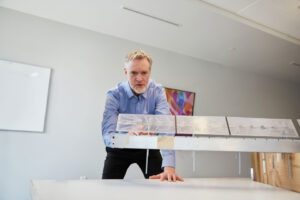
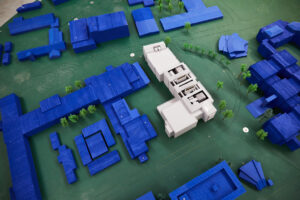
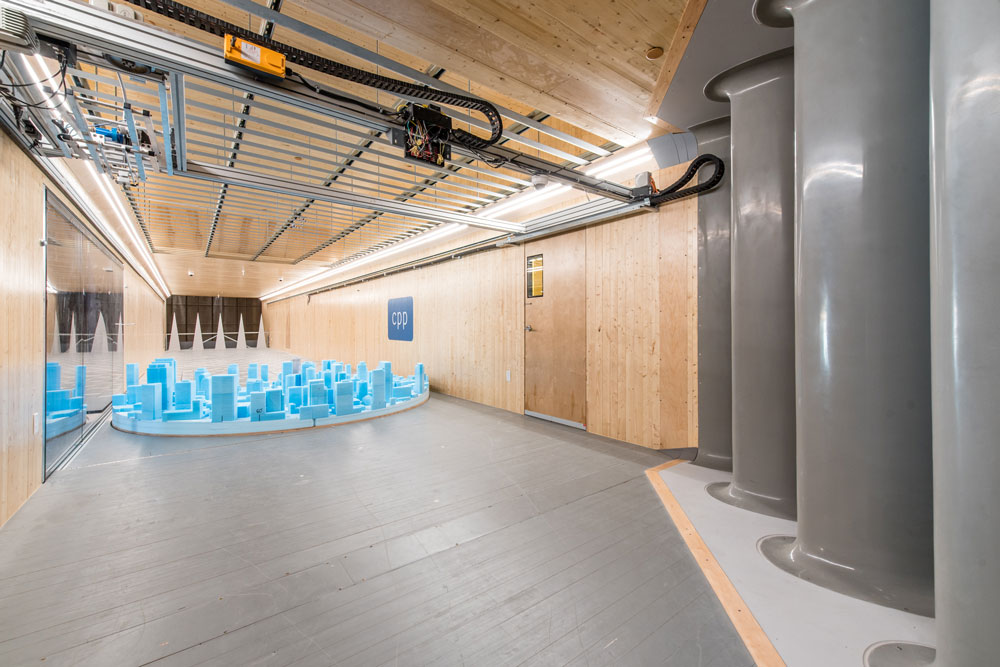
After a decade of operating in this manner, engineers decided to revisit their approach with the goal of implementing a variable air volume (VAV) system to save energy and money. CPP designed and built a 1:180 scale model of Building 30 and its nearby surroundings, including all significant buildings and structures within a 310-meter (1,017 foot) radius. Our air quality team subjected the model to wind tunnel testing and was able to calculate the minimum flow rates for each exhaust fan that would still meet air quality requirements for a variety of wind conditions. On calm days, flow rates could be significantly reduced. During high wind events, the required minimum flow rates were greater than the building load itself, requiring that bypass dampers occasionally be opened to meet the increased demand.
Using these recommendations, engineers at CPP and KJ Tait designed and implemented a wind-responsive VAV exhaust system that currently saves the university approximately £47K (~$US 75K) per year in energy consumption. It’s just another example of how the right approach and expert advice can lead to real-world results that support safety, comfort, and efficiency.
For more information on this project, please visit the University of Southampton’s web site
Client Info
Mechanical Engineer:
Malcolm Tait
KJ Tait Engineers
www.kjtait.com
University of Southampton:
Mark Turner
Estates & Facilities
www.southampton.ac.uk
Expert Details
CPP Project Directors:
Brad Cochran
Dr. Ron Petersen
info@cppwind.com
Services Provided