


Data Centers are the backbone of today’s society. We all interact with the Internet in one way or another throughout our daily lives. As such, minimizing operational risk is a high priority for these facilities. Furthermore, since these facilities consume enormous amounts of energy and generate substantial heat, optimizing their design and operations is critical. How the wind interacts with the data center plays a key role in how well these buildings perform. By defining site‑specific design wind speeds and accurately assessing wind loads on the building structure and outdoor equipment, designers can strengthen overall resiliency. Wind engineering also helps evaluate how hot exhaust sources (such as chillers, generators, fuel cells, and prime‑power units) interact with thermally sensitive air intakes, reducing the risk of overheating, performance losses, or inefficient energy consumption. In addition, diesel generator emissions can affect onsite and surrounding air quality during both routine testing and emergency operation. CPP helps designers and developers understand and optimize data center operation during the design process by applying wind engineering principles and simulations.
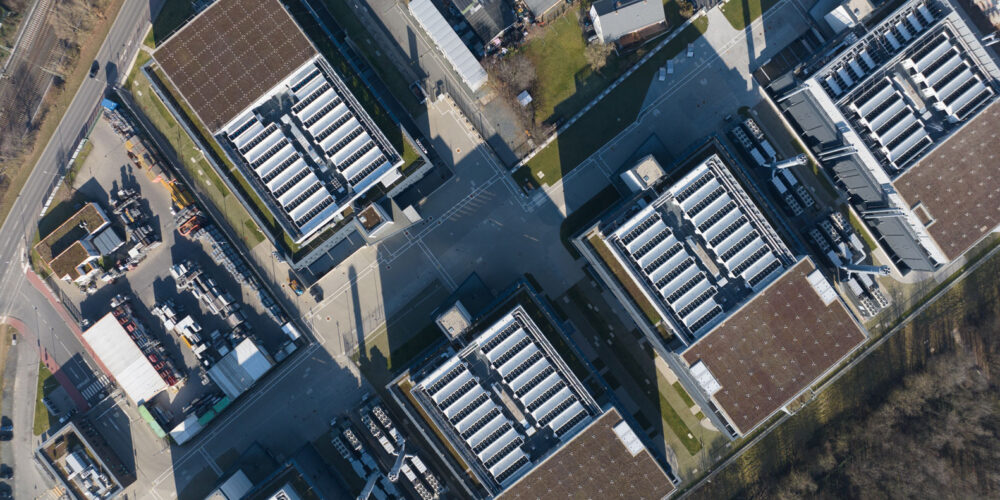
Data Center Consulting
Performance Across the Full Project Life Cycle
Designing and operating a high‑performance data center requires more than checking individual boxes for cooling, air quality, or structural loads. Decisions made early—during site selection and conceptual design—can have long‑lasting impacts on efficiency, resilience, and operational risk.
CPP supports data center owners, designers, and operators across the full life cycle of a facility, providing analysis and guidance that evolves as the project moves from concept to operation. Our role is to help teams understand how wind, climate, heat, and exhaust interact with buildings and equipment, to help you make informed at the right time, using the right level of analysis.
Site Selection & Feasibility
During site selection, climate and wind conditions often receive less attention than power availability or land cost—yet they strongly influence cooling efficiency, exhaust behavior, and long‑term operational resilience.
CPP supports early decision‑making through:
- Site‑specific climate and wind assessments to understand prevailing winds, temperature extremes, and atmospheric conditions.
- Thermal and air quality feasibility studies to identify potential risks related to generator exhaust and chiller or dry cooler placement.
- High‑level screening analyses to compare candidate sites and identify constraints early when changes are still inexpensive.
These early insights help owners and developers avoid sites that may require costly mitigation later, or flag design considerations for schematic design phase of the project.
Early Design & Concept Development
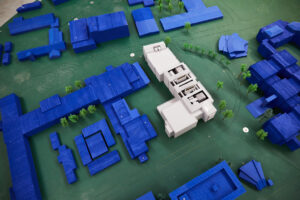
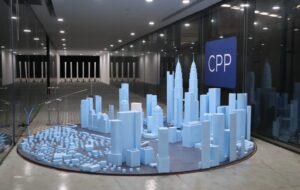
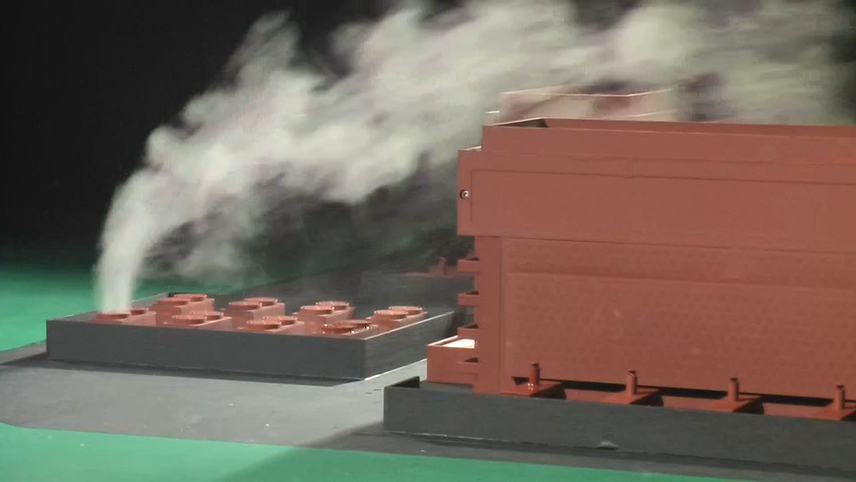
The backbone of a smart, energy-saving control system involves an accurate dispersion modeling assessment. The impact of ambient wind conditions and the interaction of neighboring hot exhaust sources are mapped out based on a physical model in the wind tunnel.
The measured impact and flow behavior around the data center are combined with real-time on-site data and regional weather forecasting. This information provides operators with all the tools needed to make critical decisions to increase cooling system efficiency, reduce carbon footprint, and achieve significant savings.
Detailed Design & Risk Quantification
When the facility layout and mechanical systems are more fully developed, CPP applies advanced tools to quantify risk and optimize performance under realistic operating conditions.
Depending on the question at hand, this may include:
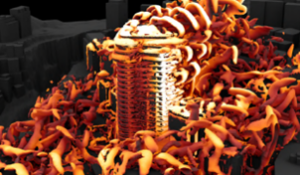
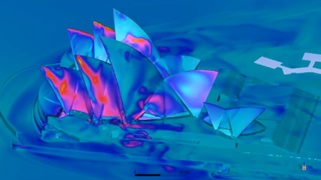
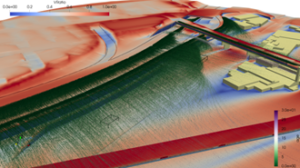
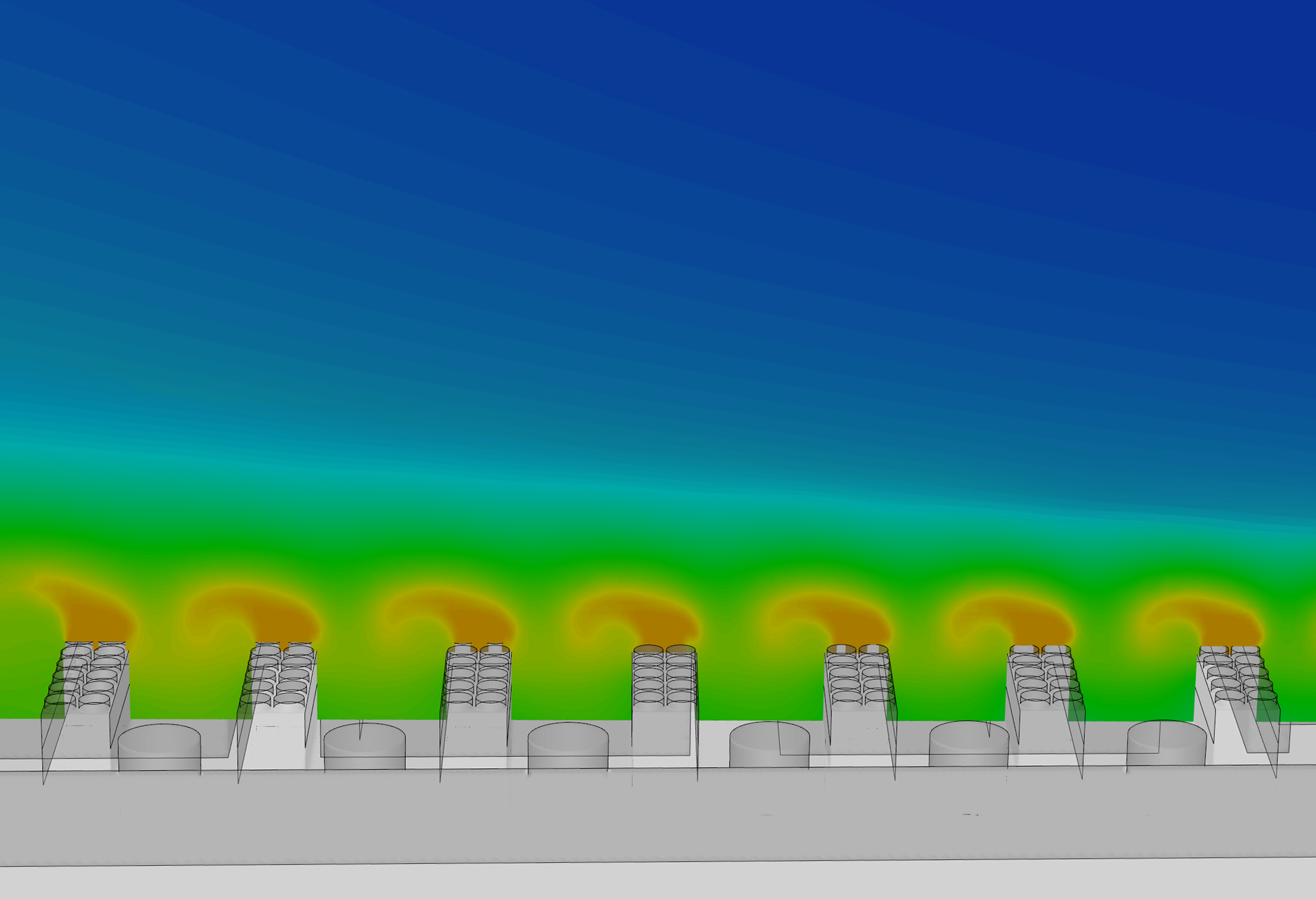
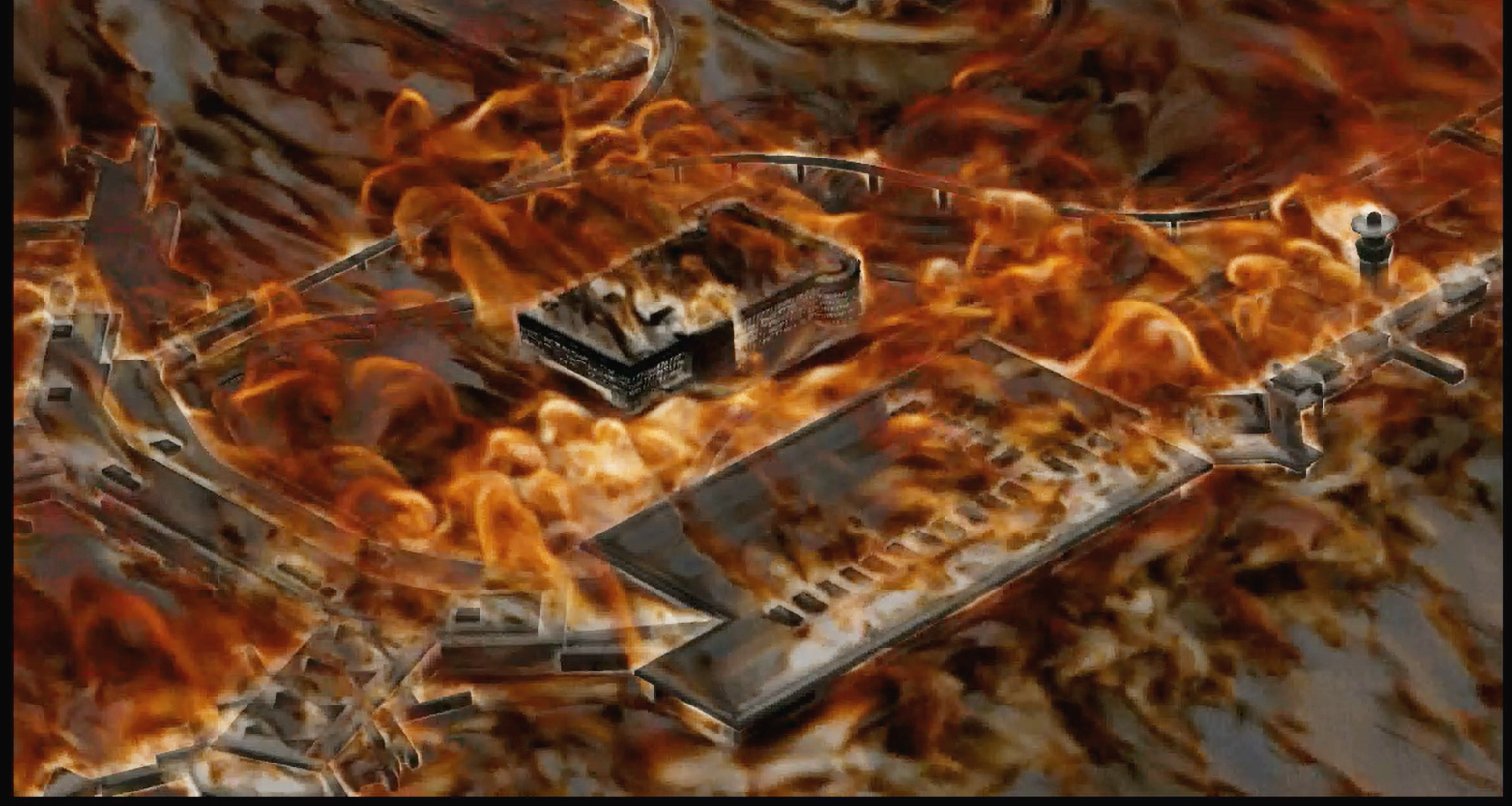
- Computational Fluid Dynamics (CFD) to evaluate internal airflow, temperature distribution, and transient failure scenarios
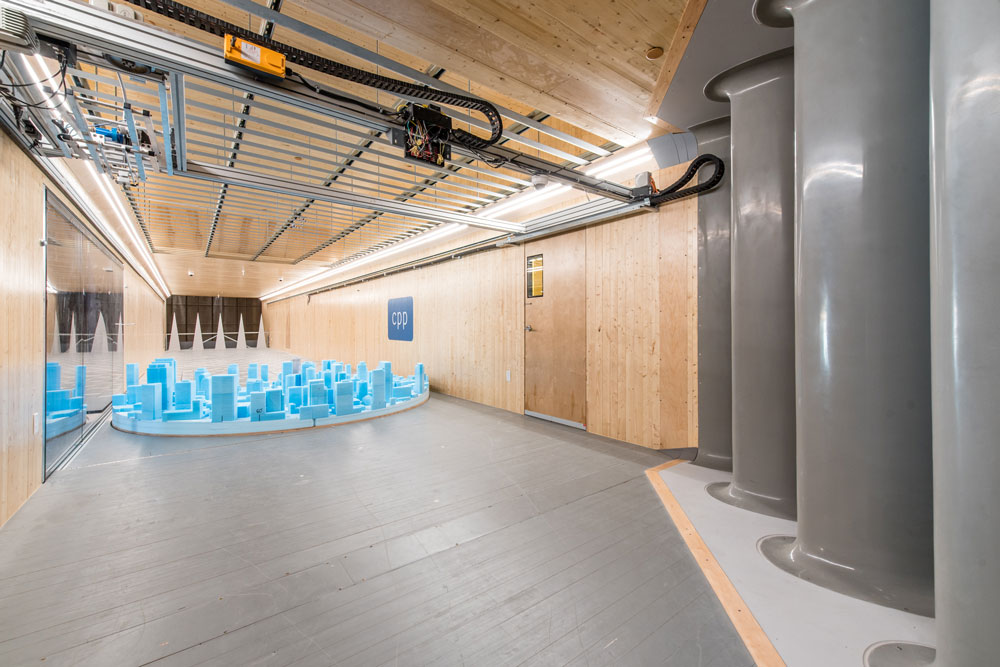
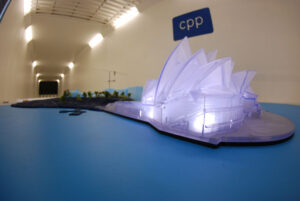
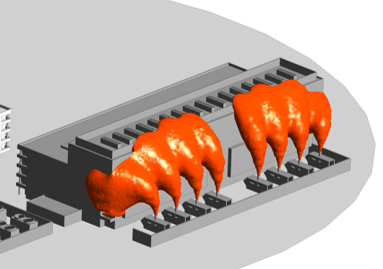
- Physical Modeling in an atmospheric boundary layer wind tunnel to accurately model exhaust dispersion and intake concentrations in complex environments
- Integrated thermal and air quality assessments that account for site‑specific meteorology, building geometry, and equipment operation
These analyses are used to evaluate worst‑case conditions, compare mitigation options, and provide engineering‑grade predictions that design teams can rely on when making final decisions.
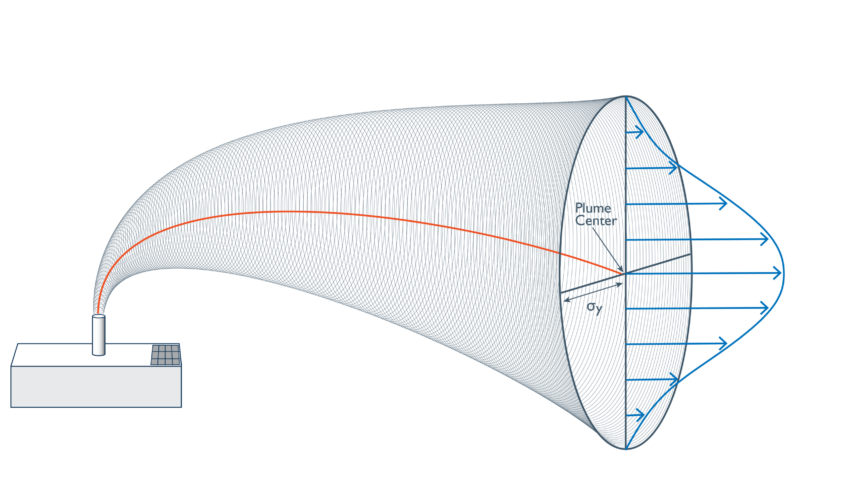
Screening-Level Dispersion Models
Computational Fluid Dynamics (CFD)
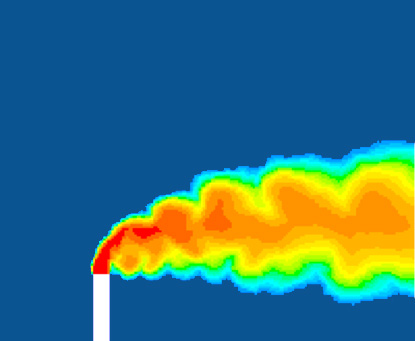
Physical Modeling in a Wind Tunnel
Design Validation & Commissioning
As projects move toward construction, CPP helps teams validate that the final design will perform as intended—and identify any remaining vulnerabilities.
Support during this phase can include:
- Design validation studies to confirm that late‑stage changes have not introduced new risks
- Evaluation of mitigation measures, such as stack height adjustments, screening, or intake relocation
- Documentation and technical support for AHJs, stakeholders, and internal design reviews
By resolving issues before construction or commissioning, teams reduce the likelihood of costly retrofits or operational surprises.
Operations, Expansion & Long Term Performance
Data centers rarely remain static. Equipment upgrades, capacity expansions, and changing climate conditions can all affect performance over time.
CPP continues to support operational facilities through:
- Operational risk assessments for generator testing, emergency operation, and partial‑load scenarios
- Expansion and retrofit evaluations to understand how new equipment or buildings interact with existing systems
- Optimization of operations for chillers or dry coolers so re-entrainment is minimized under all wind conditions, maximizing energy efficiency.
These services help operators maintain efficiency, protect equipment, and plan confidently for future growth.
Why CPP for Data Centers
CPP brings decades of experience in wind engineering and dispersion—combined with a versatile toolbox, from screening‑level analytical models to Computational Fluid Dynamics (CFD) and physical modeling. This allows us to match the level of analysis to the project phase, providing actionable insight without unnecessary complexity.
Our role is not just to analyze problems, but to help teams make better decisions at the right time, reducing risk and improving performance throughout the life of a data center.