







Not All Wind Tunnels Are the Same
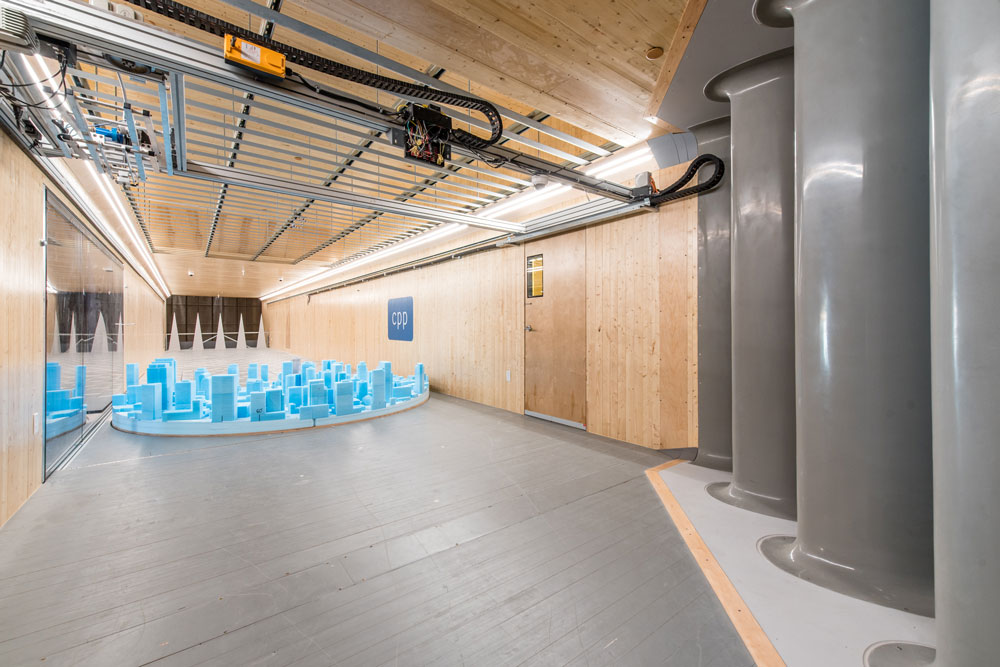
CPP’s Senior Principal John Carter explains the importance of boundary layer wind tunnels for testing wind effects on structures and presents how they differ from aeronautical wind tunnels.


CPP’s Senior Principal John Carter explains the importance of boundary layer wind tunnels for testing wind effects on structures and presents how they differ from aeronautical wind tunnels.
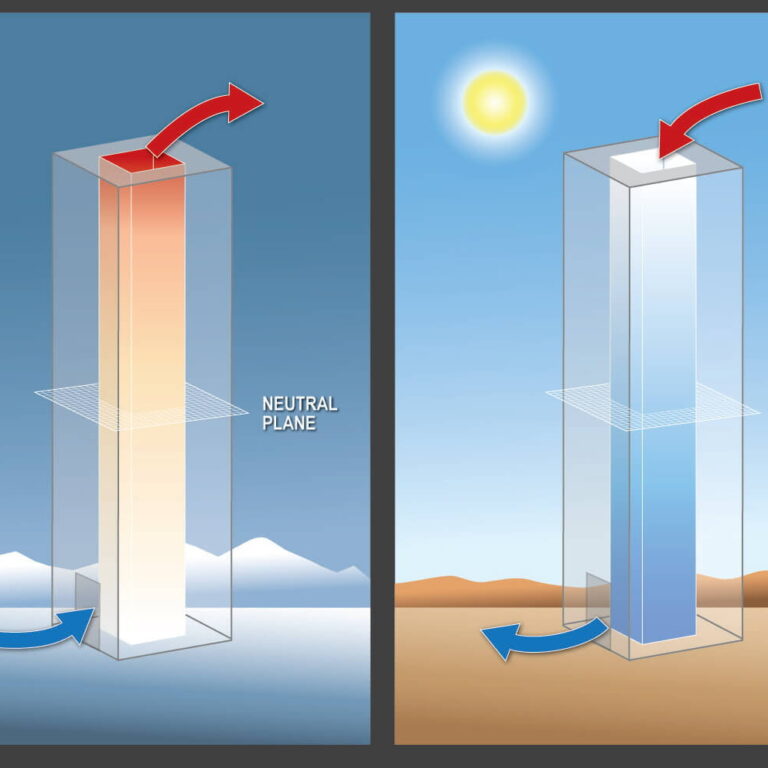
Buildings traditionally rely on mechanical air conditioning to ensure occupant comfort and safety during hot weather. But such mechanical systems can sometimes be downsized or eliminated altogether when engineers and architects integrate the local climate into the design. Natural cooling depends on a systems approach, in which many aspects of building design work together to…
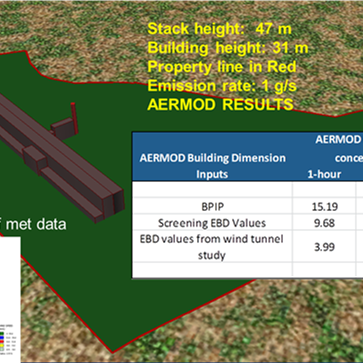
How Better Inputs Can Give You Better Results Introduction AERMOD is known to calculate exhaust concentrations, in certain situations, that are less accurate and worse than they really are. Because AERMOD’s underlying equations were developed for solid rectangular buildings having certain sizes and shapes, the model can overestimate pollutant concentrations by a factor of 4…
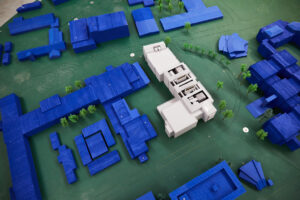
We all intuitively know that the wind affects things on the ground. But did you know that things on the ground also affect the wind? Highly developed environments tend to slow down the wind but increase gustiness, while open terrain lets wind flow faster, but with fewer gusts. The American Society of Civil Engineers (ASCE)…