


White Paper: Best Practices for Full-Scale Wind Loads Measurement on Solar Racking
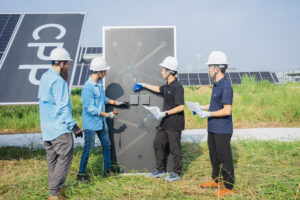
Read the below white paper to learn about what it actually takes to produce trustworthy full-scale wind load data for PV racking, including:


When you partner with CPP Wind, you gain a comprehensive understanding of wind loads and discover wind mitigation strategies that can save you money and reduce the risk of instability. Let us help bring your new solar energy system to market safely, efficiently, and reliably.
Energy Sector Contact Us
CPP strives to maintain an inclusive community that values integrity, respect, and collaboration. Read our full values and purpose statement and learn more about who we are.
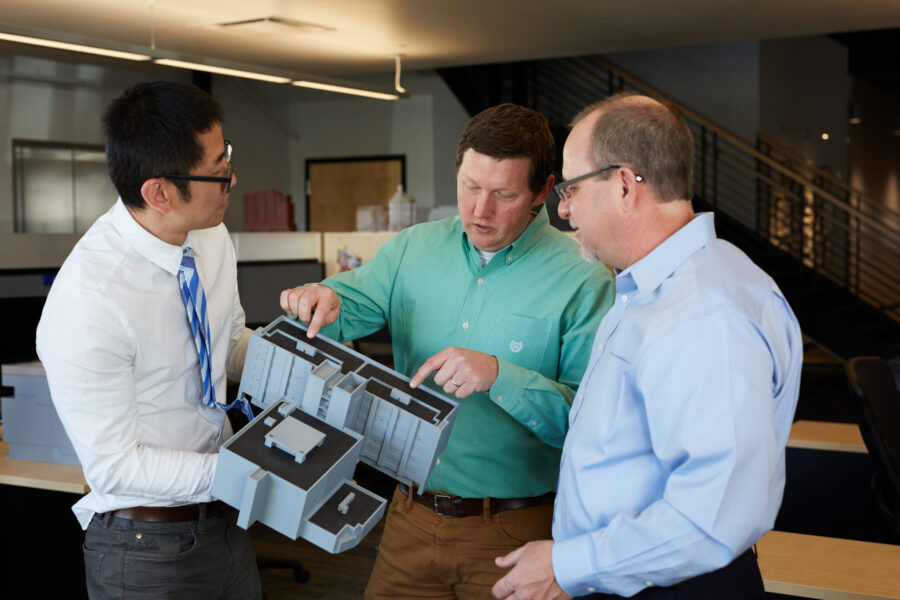
CPP leads the way in wind engineering. With the most technically advanced team of researchers and scientists, we are pioneering the next generation of wind engineering.

CPP Wind Engineering Consultants have performed thousands of projects over 40+ years. Read about some examples and the value CPP has added for our clients.
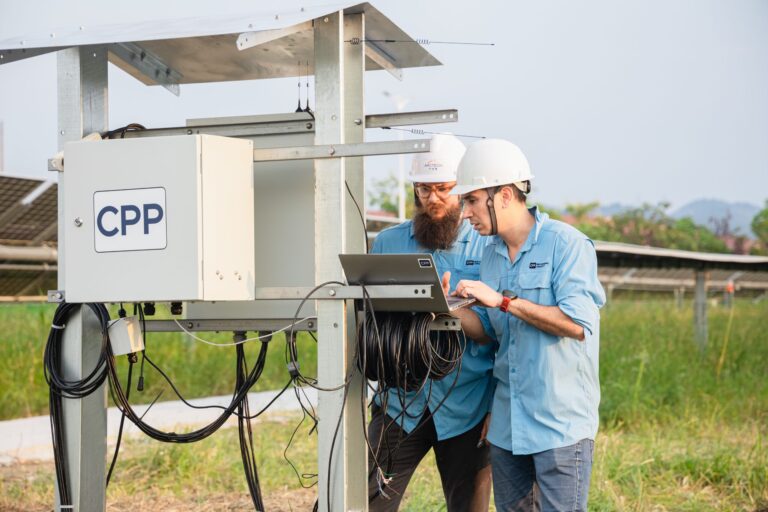
Read the below white paper to learn about what it actually takes to produce trustworthy full-scale wind load data for PV racking, including:
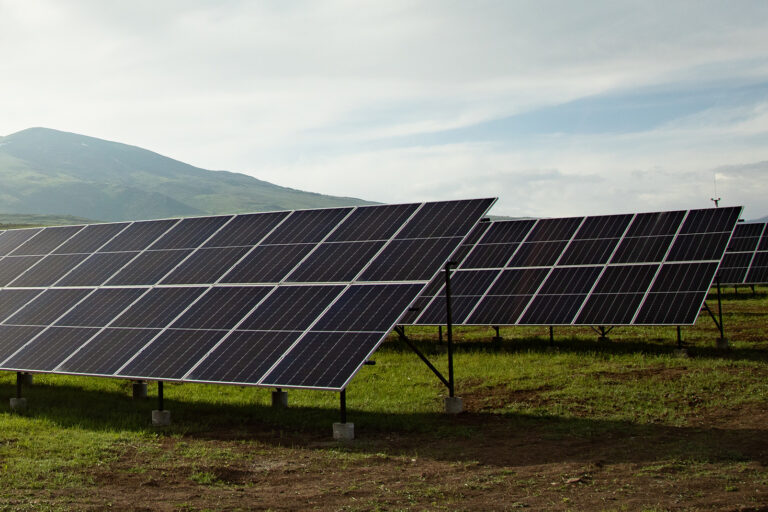
Read the below white paper to learn about the advantages of implementing a wind tunnel study for ground-mounted fixed-tilt solar PV structures.
This past December, the CPP Wind Canada team came together to celebrate an exciting milestone; five years of innovation, collaboration, and success. Since launching the Canadian office in 2020 under…
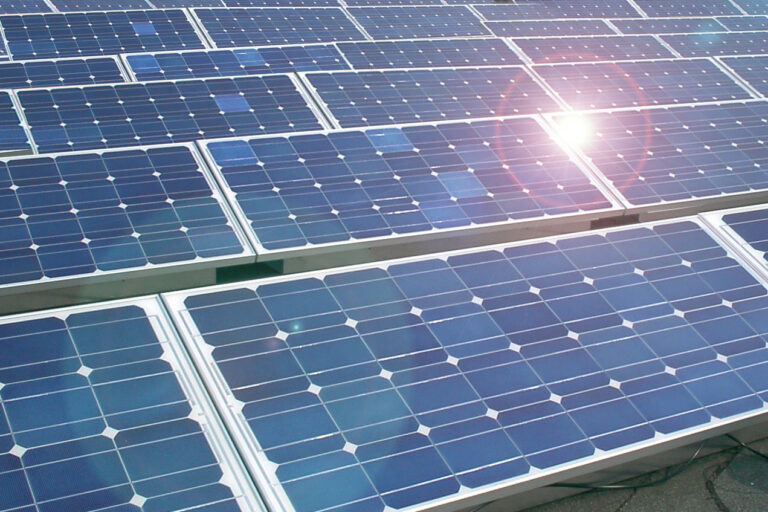
Unlock Major Structural Savings with Site-Specific Wind Engineering. Too many solar projects are conservatively designed based on broad ASCE wind maps. Learn about the impact — up to 50% reduction…
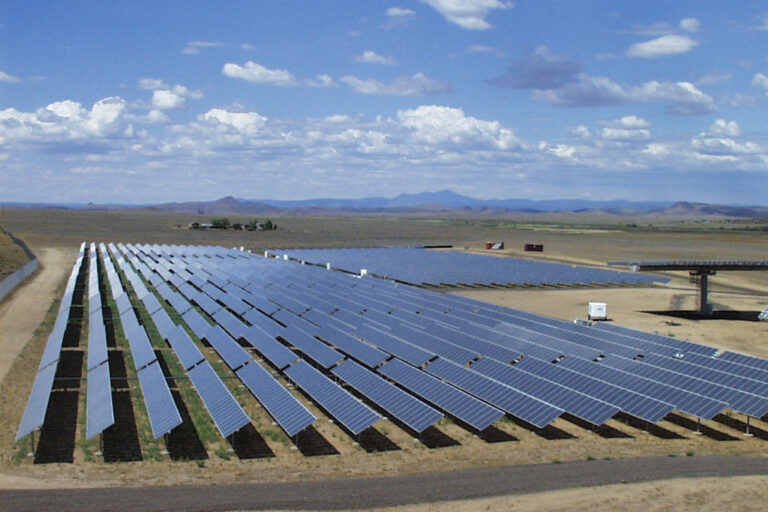
Please fill out the from below to receive a copy of the guide. Full Name(Required)Company Name(Required)Email(Required) Enter Email Confirm Email CAPTCHA Submit
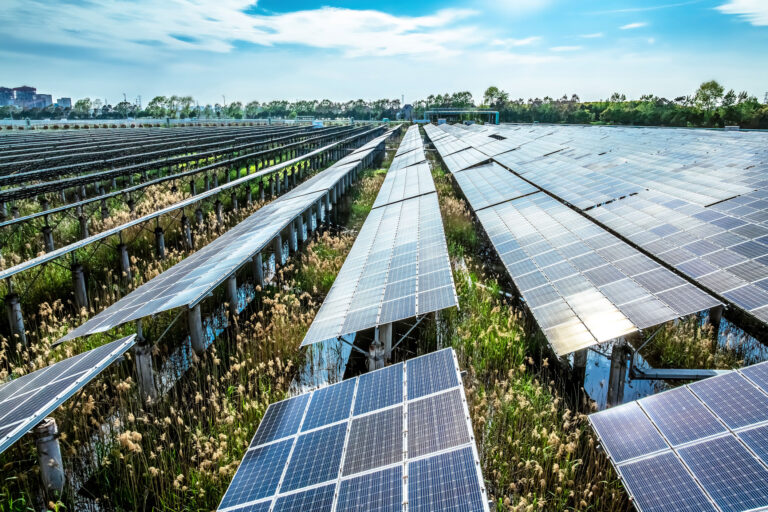
Please fill out the from below to receive a copy of the guide. EmailThis field is for validation purposes and should be left unchanged.Full Name(Required)Company Name(Required)Email(Required) Enter Email Confirm Email…
When the first solar farms began dotting the landscape, wind was often an afterthought. But CPP saw something others didn’t: the invisible wind forces shaping the future of renewable energy.…
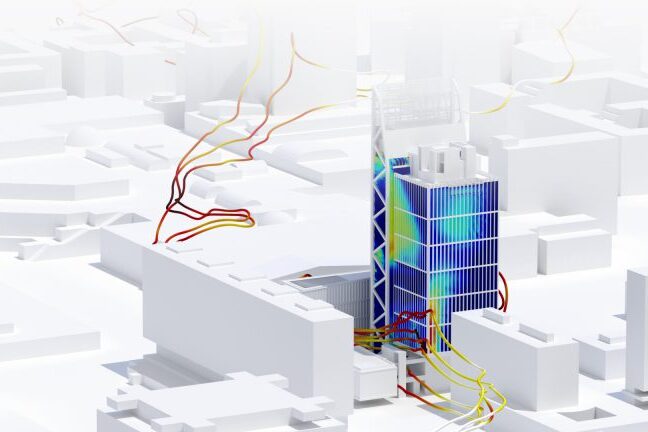
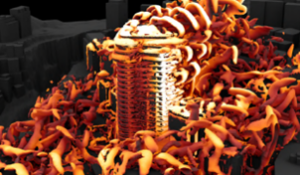
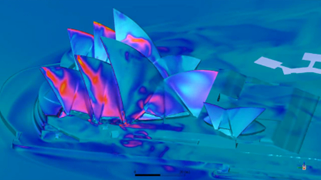
Optiflow, located in Marseille France, is a leading specialty computational fluid dynamics (CFD) firm consulting with designers, engineers, and urban planners. The team at Optiflow is well-versed in projects ranging…

Wind engineering, including wind tunnel studies, is conducted most commonly during the design phase of a project. As repurposing, adaptation, and extension of existing buildings are adopted more to meet…
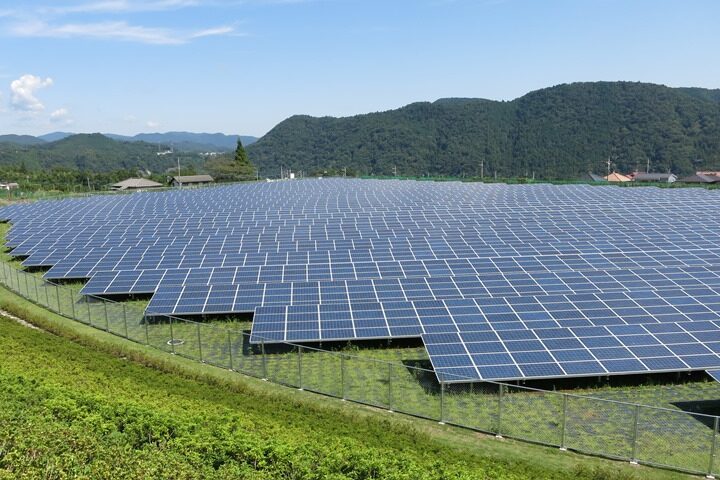
Wind and weather-related risks impact the reliability and cost of solar farms. Optimize your solar investment with a site-specific study. Read this infosheet for more details.

When it comes to the world of healthcare, the term “exhausted” is generally regarded as a bad thing. In fact, the word is frequently associated with long hours, limited supplies,…
CPP Wind Engineering Consultants, an internationally recognized leader in wind engineering services, is excited to announce their partnership with Tuckerman Capital. “We at CPP are thrilled to announce our new…
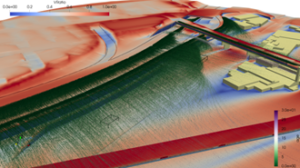
Topography significantly affects how wind interacts with solar photovoltaic (PV) structures. While flat terrain installations have their own sets of challenges and best practices, installations in topographically “interesting” terrain introduce…
Aeroelastic load measurements for solar trackers. Historically, tests of miniature rigid models in atmospheric boundary layer wind tunnels have been performed to estimate wind loading on single-axis tracker systems. However,…
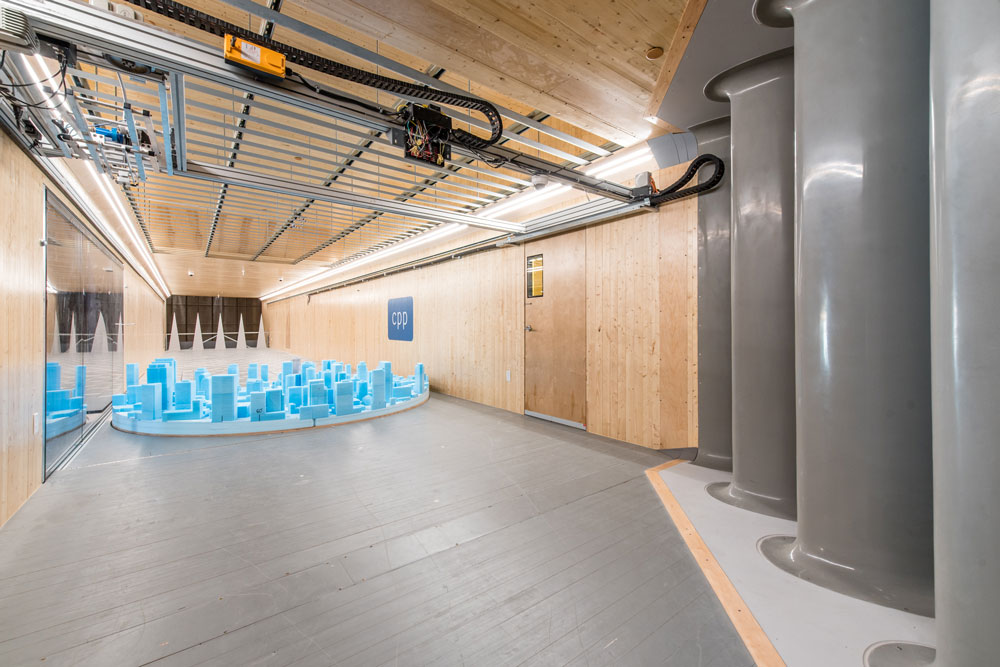
For more than 40 years, CPP Wind has been providing industry-leading consulting services to architects, engineers, and developers worldwide. Take a peek inside our US boundary layer wind-tunnel laboratory.
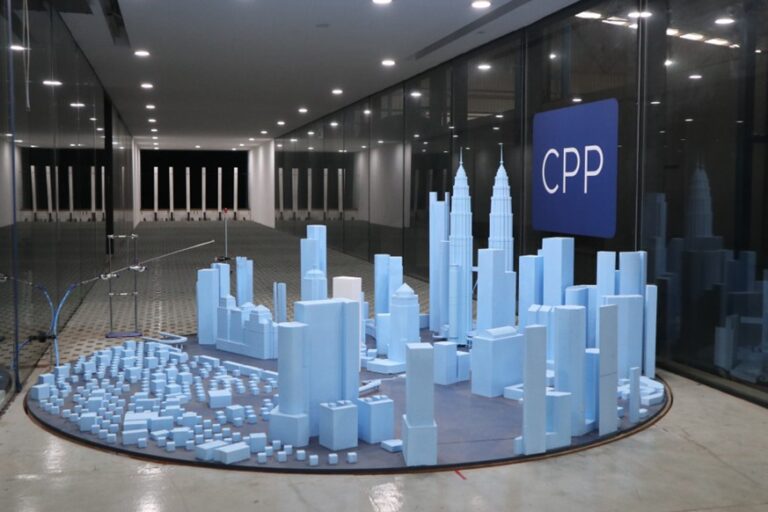
CPP Wind Engineering Consultants, an internationally recognized leader in wind engineering services, announces the expansion of its global services to Southeast Asia with the acquisition of the Venturi Asia wind…
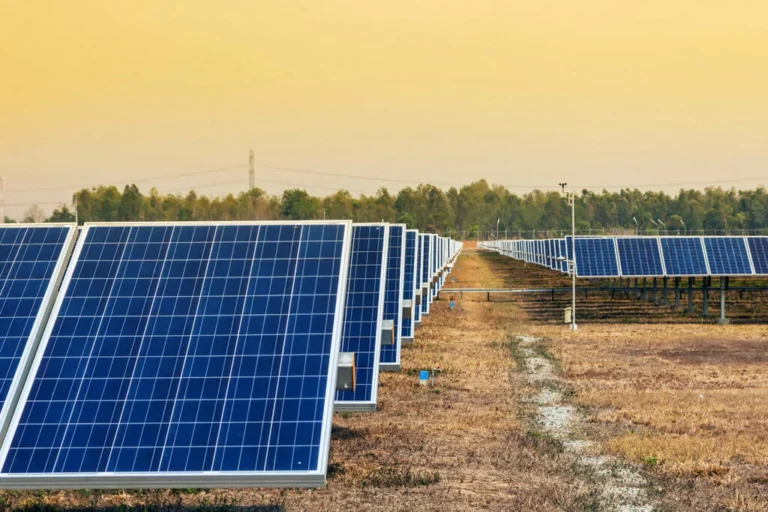
On-site anemometers play a crucial role in solar tracker operation by triggering the trackers to move to their wind stow position as winds ramp up from an approaching storm. Anemometer…
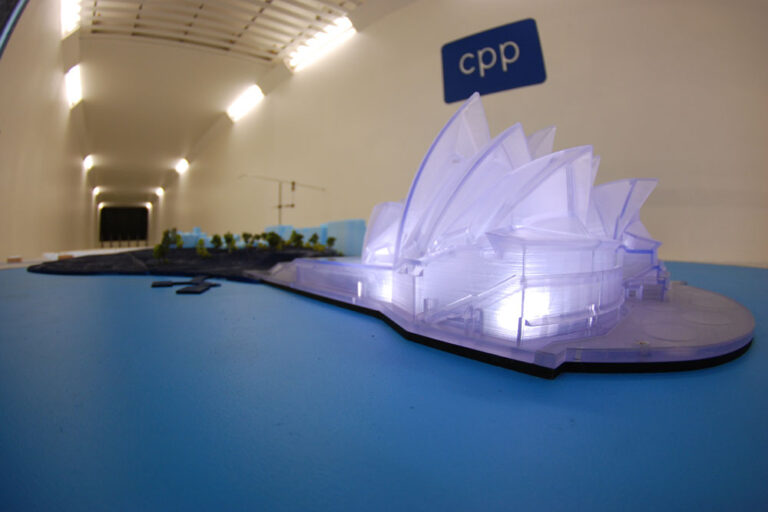
Founded in 2007, CPP Sydney, Australia, was the first office outside of the U.S. for CPP Wind. With a state-of-the-art wind tunnel and laboratory, and some of the most innovative…
Horizontal single-axis trackers (HSATs) are susceptible to wind-induced damages, and wind loading on these solar trackers is one of the primary considerations in their design. The best way to understand…
2022 marked 15 years since we first opened the doors to our Sydney office! Take a quick peek inside to see the team’s work on a typical day.
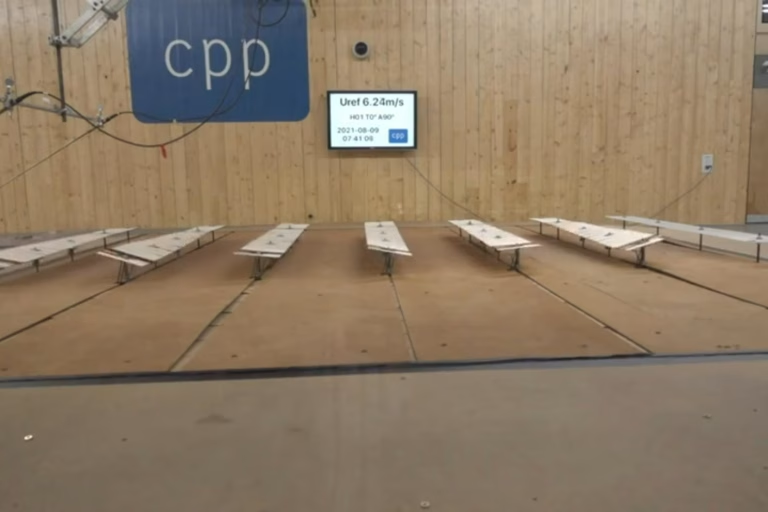
Watch the aeroelastic instability testing of a scaled model of a solar tracking system in CPP Wind’s boundary layer wind tunnel. By partnering with CPP Wind, you will gain an…
We all understand what wind is—at least experientially—from an early age. It’s as much a part of the human experience as sunshine, rain, and snow. But what exactly is wind?…
Wind damage to solar tracking systems has appeared on various online forums and social media in recent years. These videos or pictures illustrate the catastrophic failures of multiple trackers over…

CPP Welcomes Valerie Sifton to Lead the Weather and Climate Insights Team We are pleased to welcome Valerie Sifton to lead the Weather and Climate Insights Team at CPP Wind.…
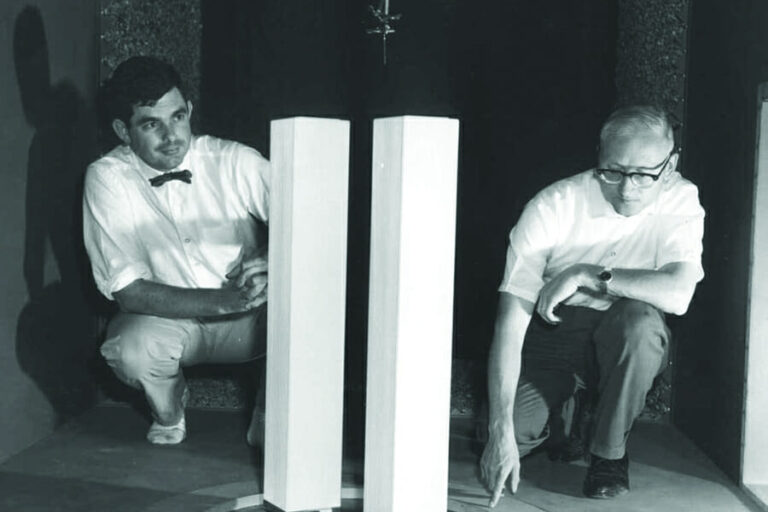
For 40 years CPP Wind has been leading the way in wind engineering. With the most technically advanced and innovative wind tunnels, we continue to lead the wind engineering industry…
A discussion of AERMOD’s capabilities to model the complex air flows around buildings. This article appears in the April 2021 issue of EM Magazine, a copyrighted publication of the Air…
CPP Welcomes Wind Expert Dr. Galsworthy to Canadian office We are pleased to welcome Dr. Jon Galsworthy to our team of global representatives. Jon brings his 20+ years of experience…
After operating without a president since founder Dr. Jon Peterka’s retirement in 2013, CPP, through its Board of Directors, has unanimously chosen Dr. David Banks to fill the role. Banks…
Now-available prestandard promotes performance-based wind design While performance-based design (PBD) is rapidly growing in acceptance in the seismic field, no guidance has, until now, been available for application within the…
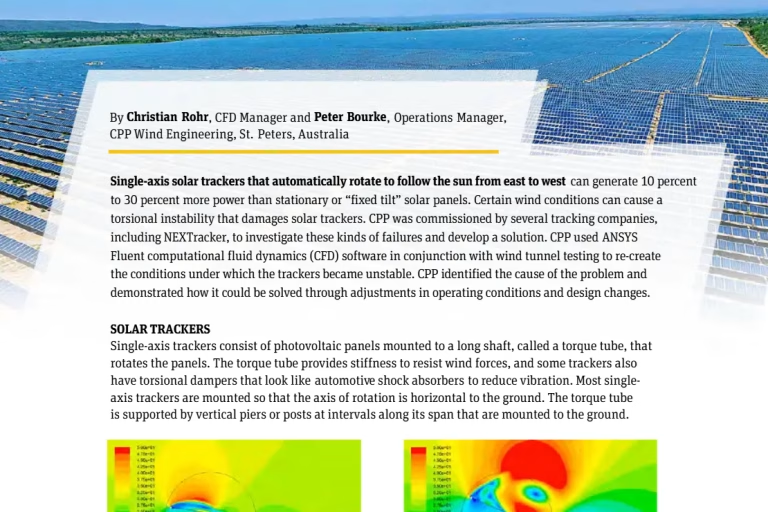
Issue 1, 2019 of Ansys Advantage Magazine features a terrific article, “Catching the Sun,” which looks at how engineers use simulation and wind tunnel testing to avoid damage to solar…

CPP is pleased to welcome Venukumar Balla to our team of global representatives. In response to strong growth forecasts, we have expanded into India with the assignment of Venukumar Balla…
In February of 2015, CPP Principal Dr. David Banks, P.E., an expert on how solar panels behave in the wind, co-hosted a webinar with Ron LaPlante, S.E., chair of the…
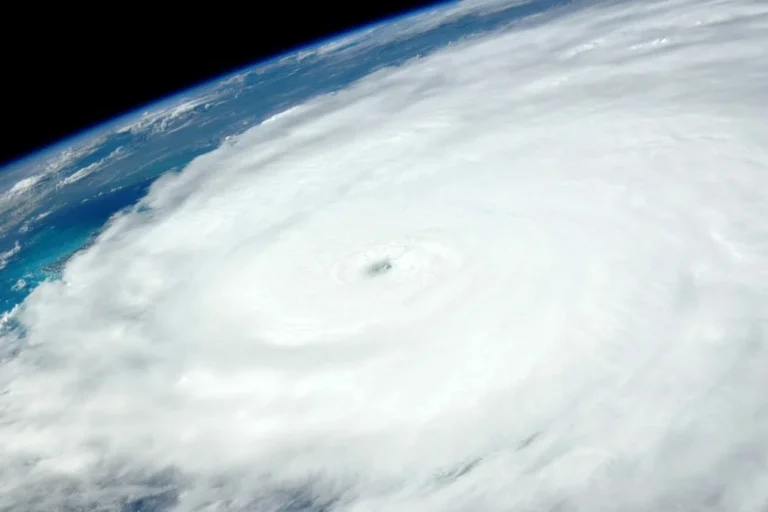
What’s the difference between a hurricane and a typhoon? What is a cyclone? How about a tropical storm? Well, there are really just two things you need to know. Tropical…
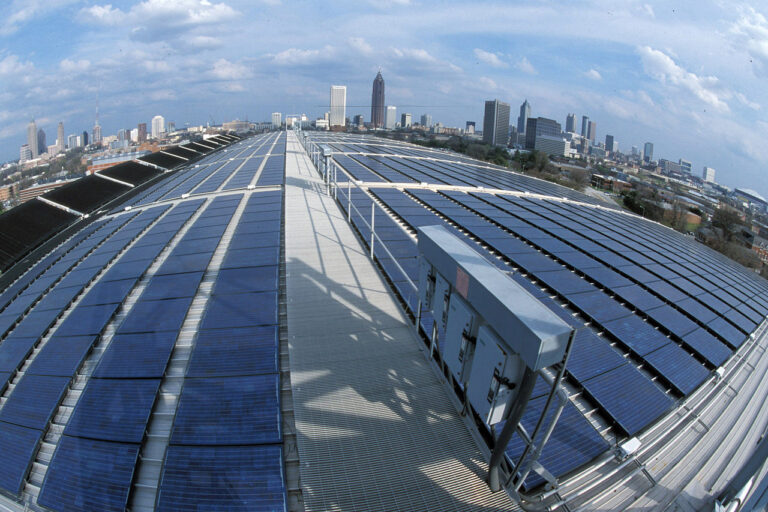
If it seems like solar modules are popping up everywhere, you’re right. In 2006, a new solar energy system was installed, on average, every 80 minutes in the US, and…
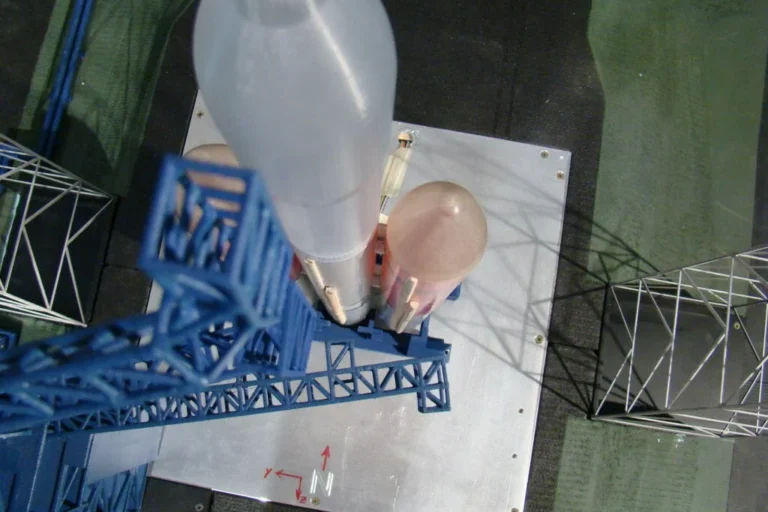
The idea of wind tunnel testing for space launch vehicles might bring to mind a rocket roaring through the atmosphere as it propels its payload into Earth’s orbit or beyond.…
CPP advances its reputation as an essential voice and leader in the wind engineering and environmental industries. The paper PRIME2: Development and evaluation of improved building downwash algorithms for rectangular…
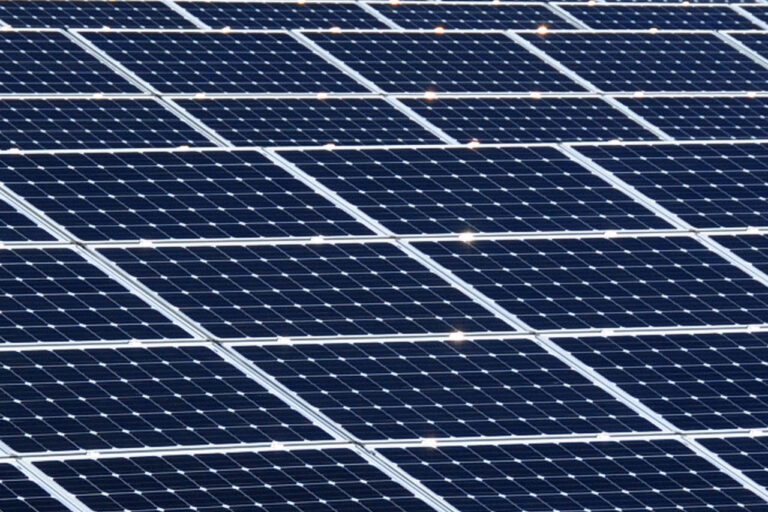
The Structural Engineers Association of California (SEAOC) has announced the revision of their industry-leading publication about wind loads on solar racking systems. SEAOC is respected as an authoritative world leader…
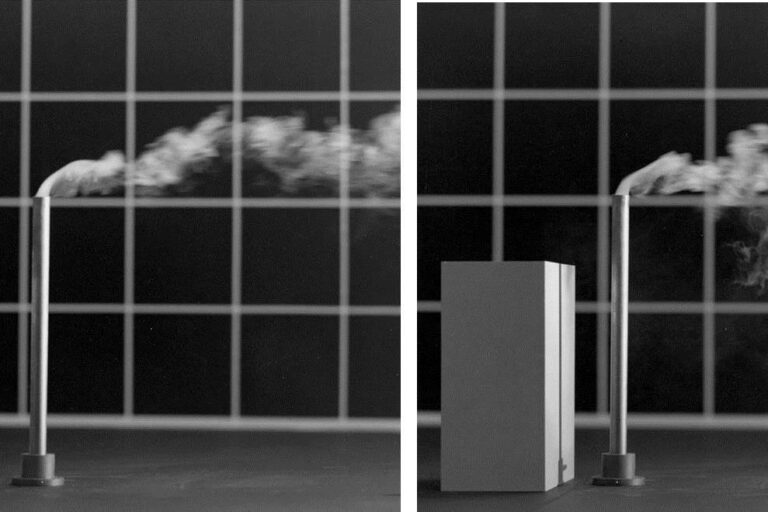
Since the mid-90s, the US EPA has recommended the AERMOD atmospheric dispersion modeling system for estimating the impact of new or existing sources of pollution on ambient air quality. But…
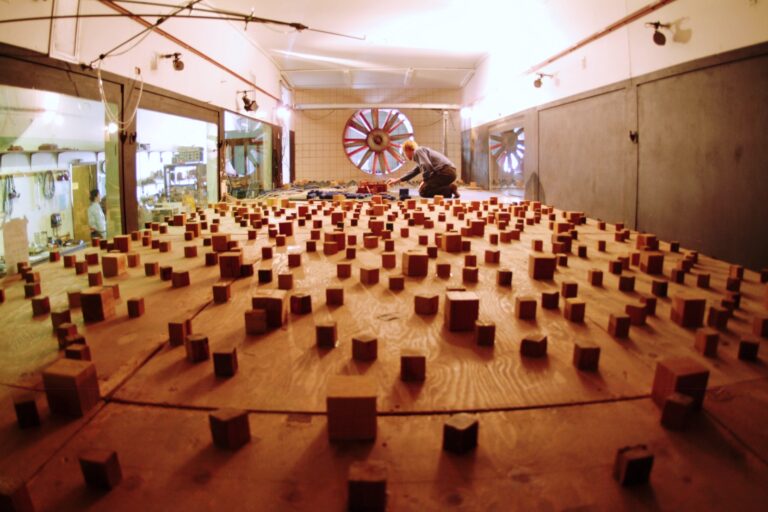
By Yarrow Fewless, Principal, CPP Wind Engineering Time, distance, and wind speed are intrinsically linked in the wind tunnel, as they are in the real world. So how can you…
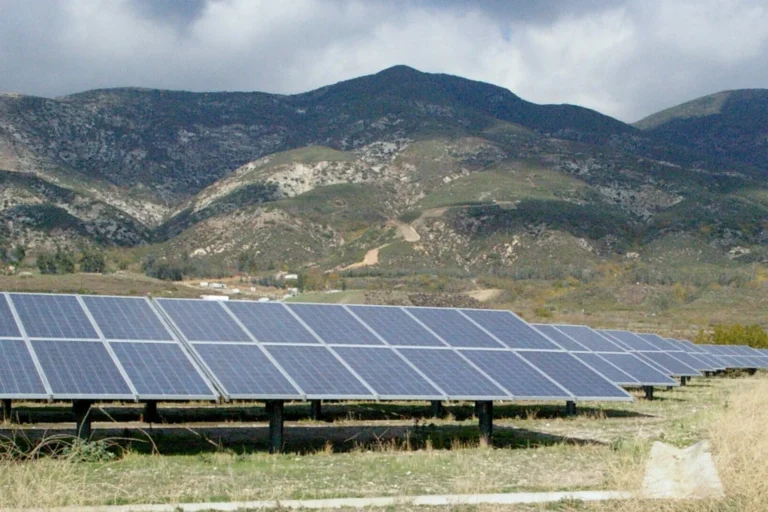
As most people familiar with the details of the solar industry know, the cost of the installation is directly influenced by the design wind speed. The design wind speed, for…
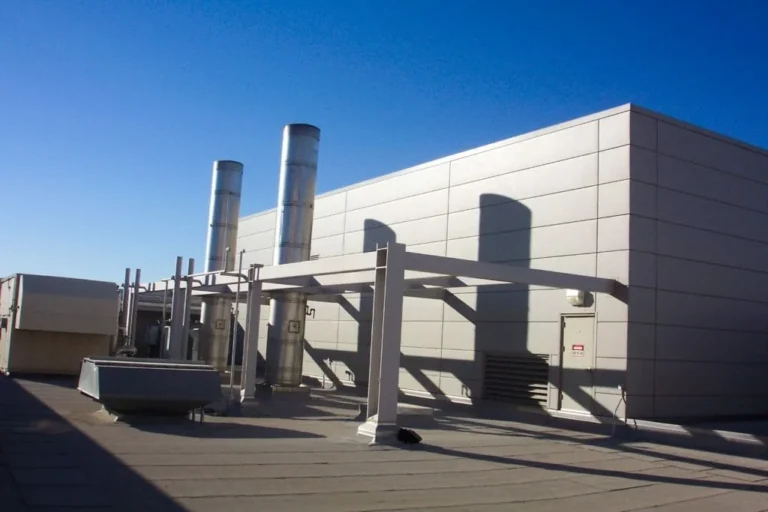
Good exhaust/intake system design ensures exhaust does not reenter the building that produced it. CPP engineers conducted a study for ASHRAE to improve the method which calculates the minimum distance…

If your neighbor is a mortuary (or any other production facility with a smoke stack for that matter), let’s hope they’ve consulted CPP to ensure you’re safe from spooky emissions!…
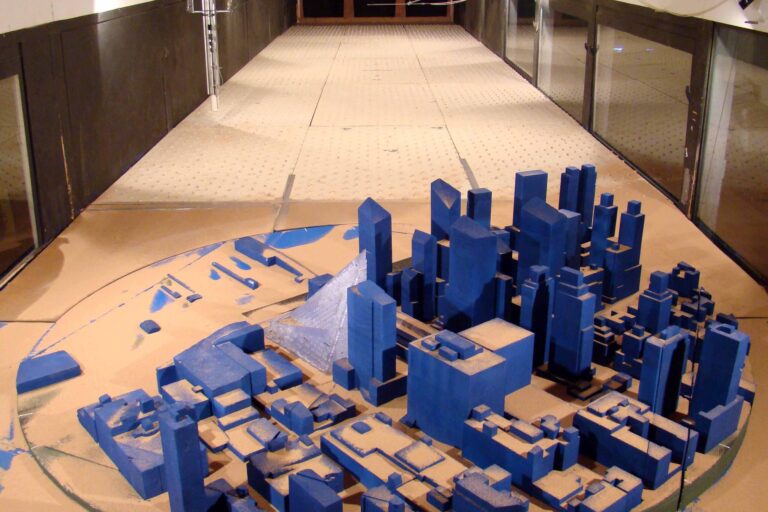
When guests visit CPP’s facilities for client updates or tours, our small-scale wind tunnel models are usually major highlights. From structural engineers responsible for a single part to urban planners overseeing an…
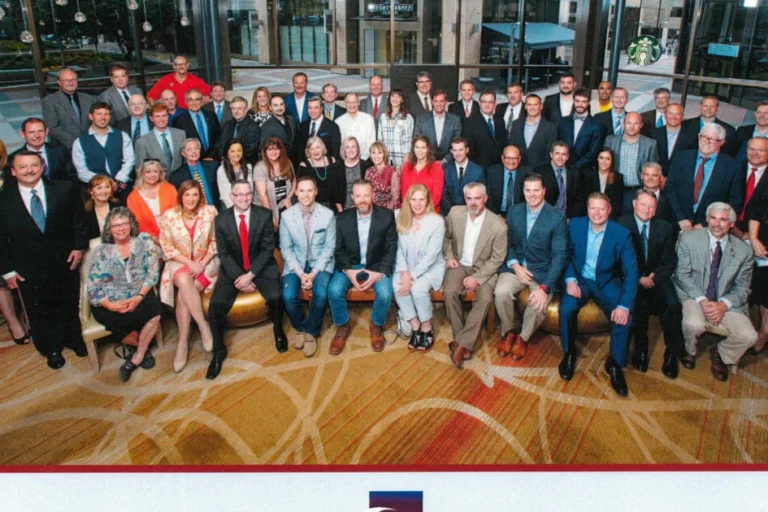
CPP Wind Engineering & Air Quality Consultants has been named a Colorado Companies to Watch, acknowledging the success, innovation, and influence of CPP as a growing company in the state.…
The American Society of Civil Engineers (ASCE) Structural Engineering Institute (SEI) publishes Minimum Design Loads for Buildings and Other Structures (ASCE/SEI 7-10), which describes wind load design methods and is…
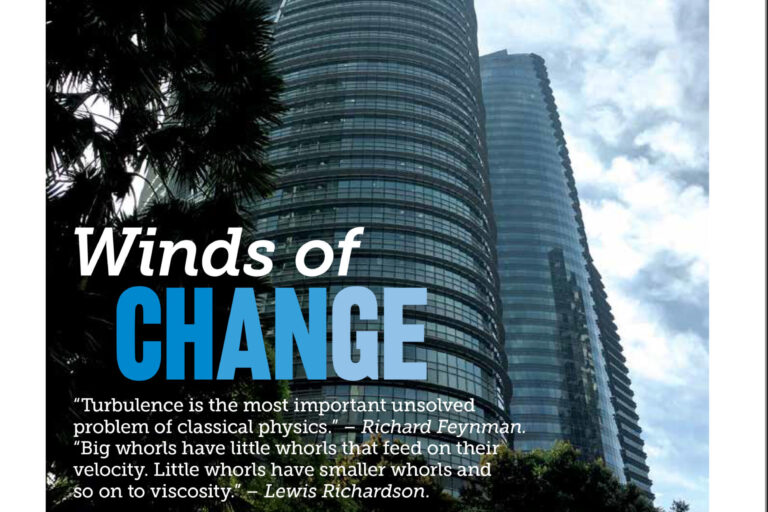
The February 2016 issue of Engineers Australia features a terrific article, “Winds of Change,” which provides an overview of wind engineering and a few of our projects, such as Platinum Park and Perth…
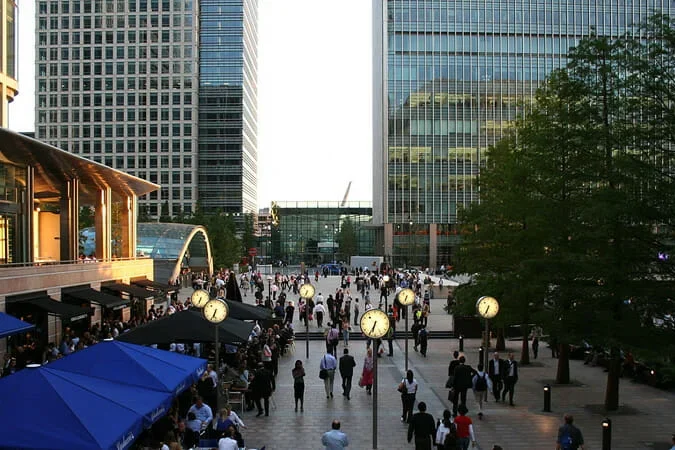
It can get a little breezy in CPP’s hometown of Fort Collins, Colorado. With average wind speeds approaching 40 miles per hour (18 m/s) on some days, and gusts in…

Ladies and gentlemen, the captain has turned on the fasten seatbelts sign. Please return to your seats and fasten your seatbelts. It’s one thing to hear this half an hour…
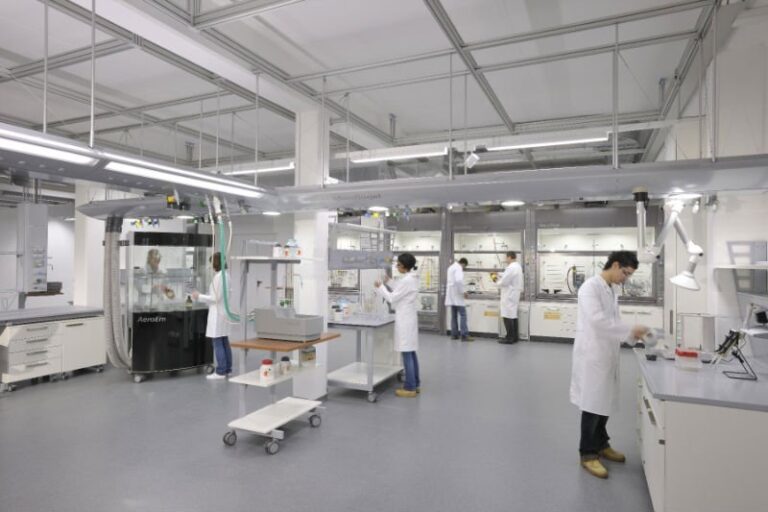
Laboratories are the modern cathedrals of science. Within their hallowed halls, researchers solve society’s problems and help ensure a safer, healthier, more sustainable tomorrow. But what about the researchers themselves?…
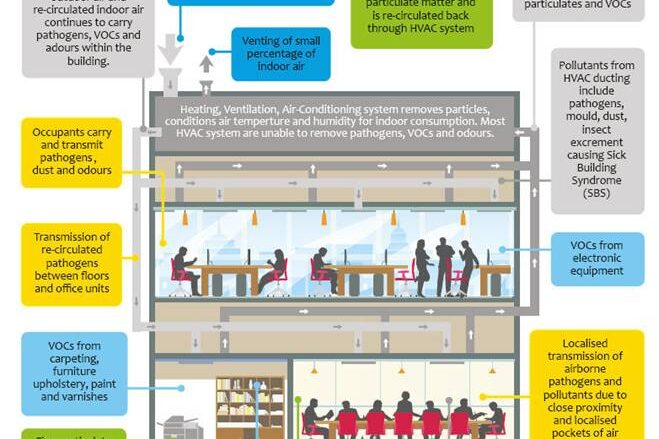
Admit it, we all knew this intuitively. But now there’s hard research to back up the claim that employee productivity is linked to indoor air quality. In a recently published…
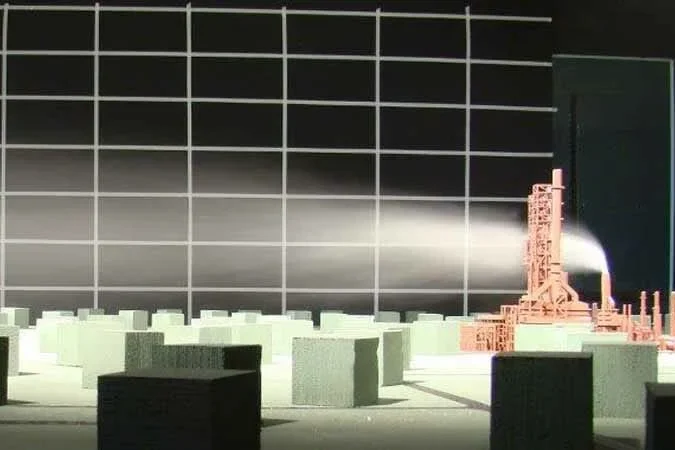
Are you trying to demonstrate modeled compliance by increasing stack heights or installing additional emission control? If so, you are probably trying to overcome the flaws in AERMOD that result…
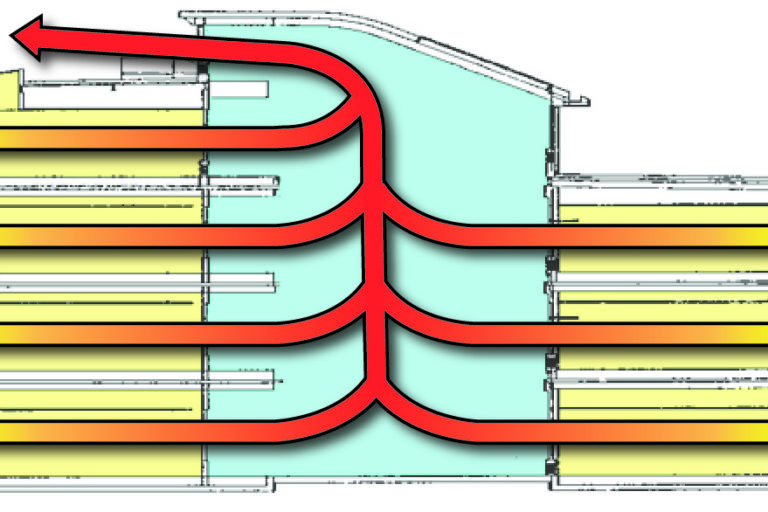
The stack effect is simultaneously one of the most useful and most problematic flow features in building design. Use it to your advantage, and the stack effect can enhance ventilation,…
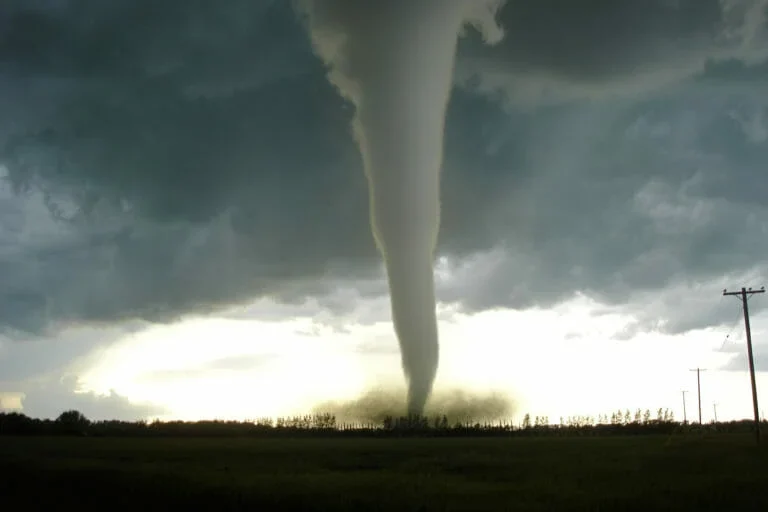
Tornadoes, despite their destructiveness, have a way of inspiring awe and fascination, perhaps in part because they are still shrouded in mystery. Scientists and engineers have been researching them for…
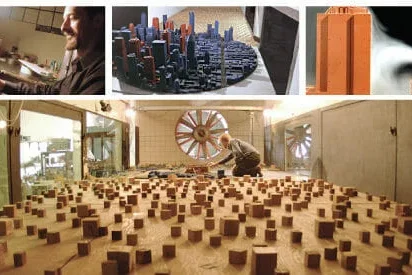
Myriad federal, state, and local air quality regulations exist in the United States to keep our population healthy and our air clean. To comply with these regulations, owners and operators…
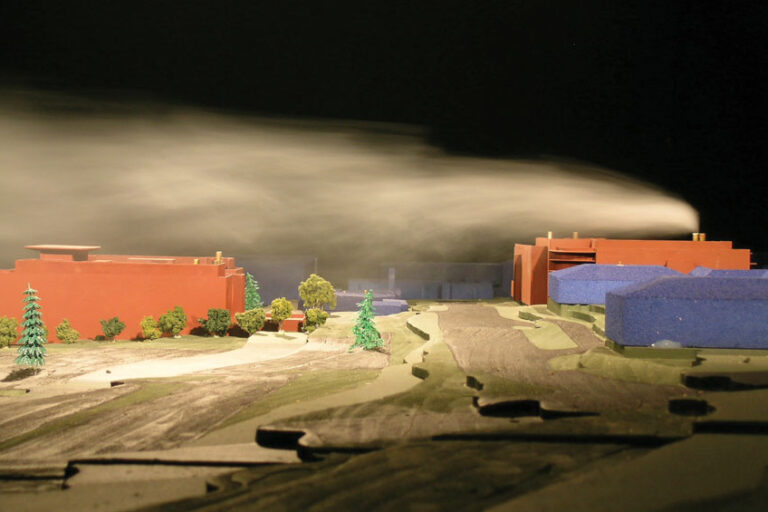
University research centers, hospitals and other laboratories all share a common challenge: the need to exhaust contaminants safely and efficiently. Such facilities rely on exhaust stacks to disperse pollutants high…
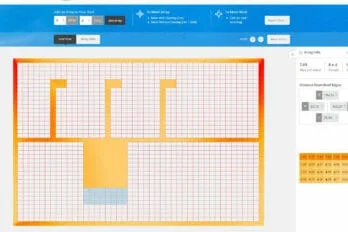
CPP is excited to announce the launch of our newest service for the solar industry, WindLab-Solar. With WindLab-Solar, your days of squinting at little black lines on wind load charts…
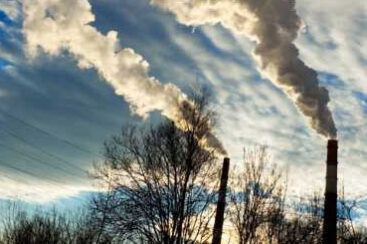
Every hospital, power plant, lab and industrial facility built in the United States must comply with air quality regulations. This may also include compliance with the National Ambient Air Quality…
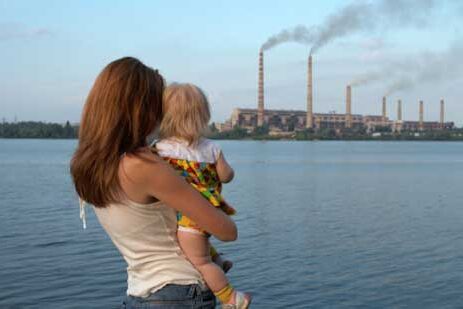
We get it. Demonstrating compliance with air quality regulations can be frustrating. CPP’s permitting engineers help clients wade through laundry lists of air quality rules virtually every day. But a…
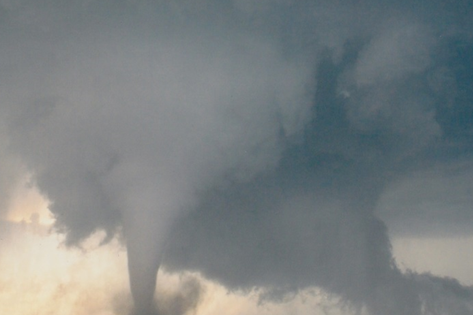
Recent outbreaks of tornadoes in Nebraska, Kansas, and elsewhere in the Midwest leave no doubt that tornado season is well underway. Tornadoes are common weather features in North America, and…
A recent study published in the European Respiratory Journal, the journal of the European Respiratory Society, demonstrates how poor indoor air quality can dramatically affect the respiratory health of elderly…

With the recent opening of our Boston office, it’s time to take a look at the climate of this historic American city. Bostonians, Cantabrigians, and others who live along Massachusetts…
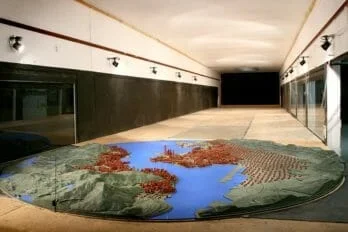
In an earlier article on wind exposure, we highlighted the different upwind exposure categories defined in ASCE/SEI 7-10 (Minimum Design Loads for Buildings and Other Structures). Exposure categories B, C,…
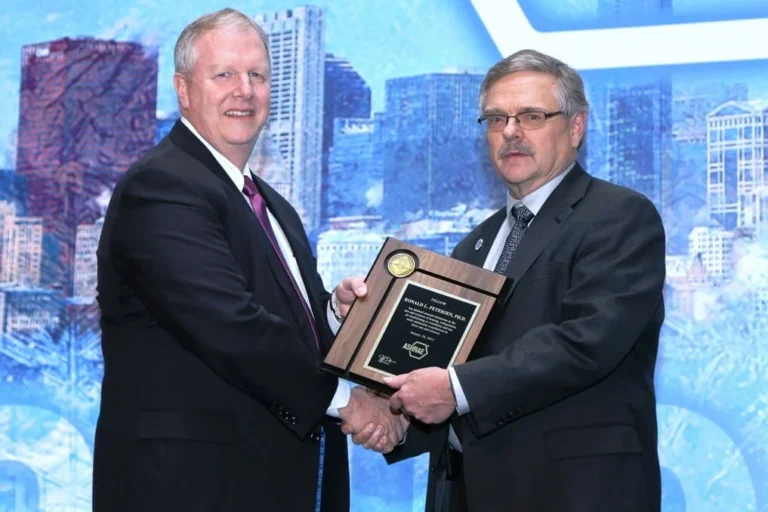
The American Society of Heating, Refrigerating, and Air-Conditioning Engineers (ASHRAE) has named CPP Principal and Vice President Dr. Ron Petersen as an ASHRAE Fellow. This honor recognizes Dr. Petersen’s more…
Most modern buildings are designed and constructed as a core skeleton to which an exterior envelope is attached. The standard document referenced by most building codes in the United States…
CPP is pleased to announce our partnership with Engineers Without Borders USA (EWB-USA), a Colorado-based, internationally focused 501(c)3 organization committed to improving infrastructure in communities in need around the world: EWB-USA is…
Separate studies by NASA and the National Oceanic and Atmospheric Administration (NOAA) have demonstrated that 2014 was the warmest year on record since scientists began keeping records in 1880. According…
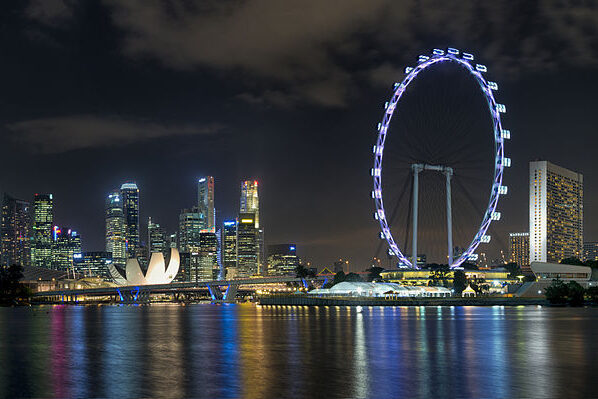
Given CPP’s work on such high-profile structures as Singapore’s Marina Bay Sands resort, and having opened our Singapore office, we thought it would be interesting to highlight the unique wind…

CPP is proud to welcome Isabelle Lavedrine, our regional representative for business up and down the West Coast, including California, Oregon, and Washington. “The West Coast has been a center…
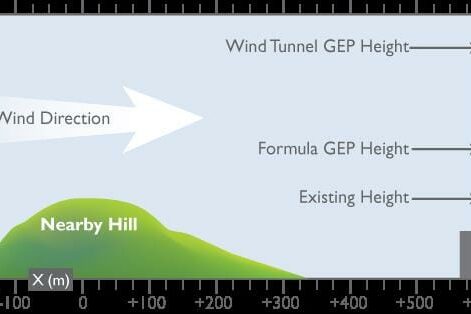
CPP co-founder and air quality expert Dr. Ron Petersen has spent years helping permitting consultants understand that Good Engineering Practice (GEP) stack height offers more options than a single formula.…

Minimum Design Loads for Buildings and Other Structures (ASCE/SEI 7-10), published by the American Society of Civil Engineers (ASCE) Structural Engineering Institute (SEI) categorizes wind loads according to the parts…
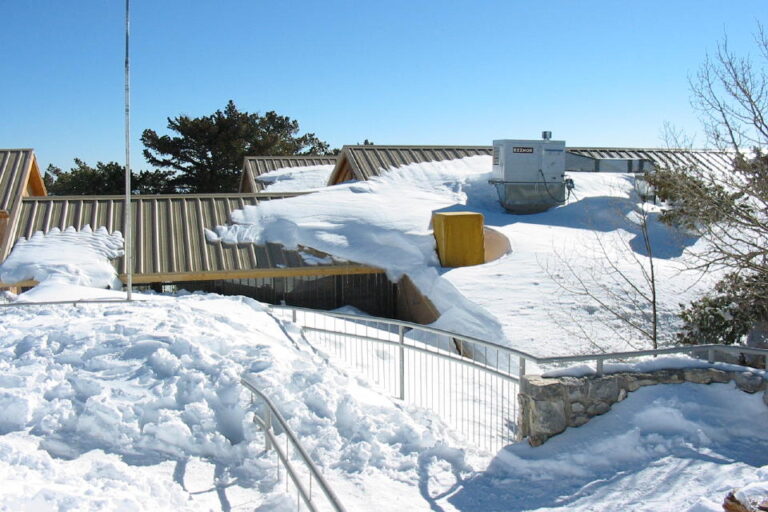
Developers who build structures in snow-prone regions must consider winter weather in their designs. If the wind is calm, snow weighs down whatever it falls upon with a gravity load…
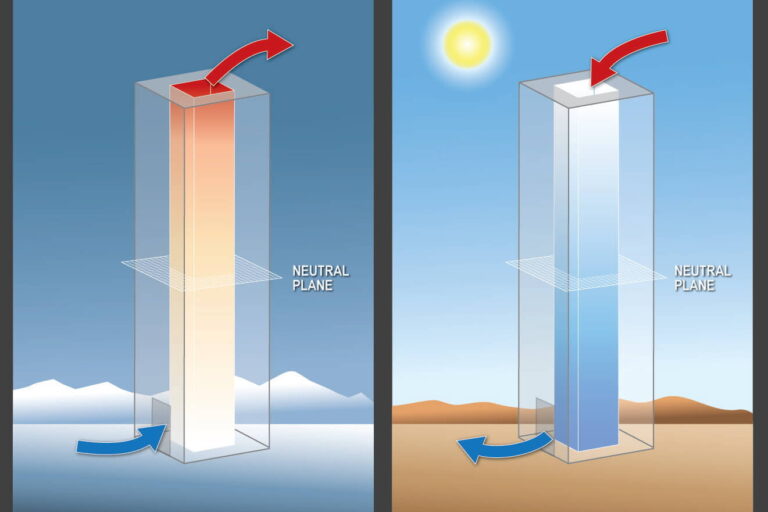
A frequently discussed phenomenon in air quality, natural ventilation, and smoke mitigation studies is the so-called stack effect. Sometimes called the chimney effect, the stack effect is a naturally-induced vertical…
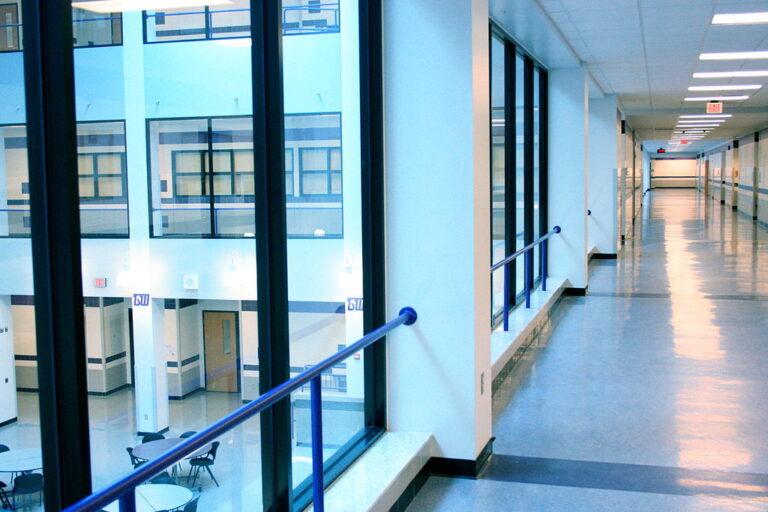
The tallest building in Cambridge, Massachusetts, stands on the campus of the Massachusetts Institute of Technology (MIT). The Cecil and Ida Green Building, a 21-story I. M. Pei design known…
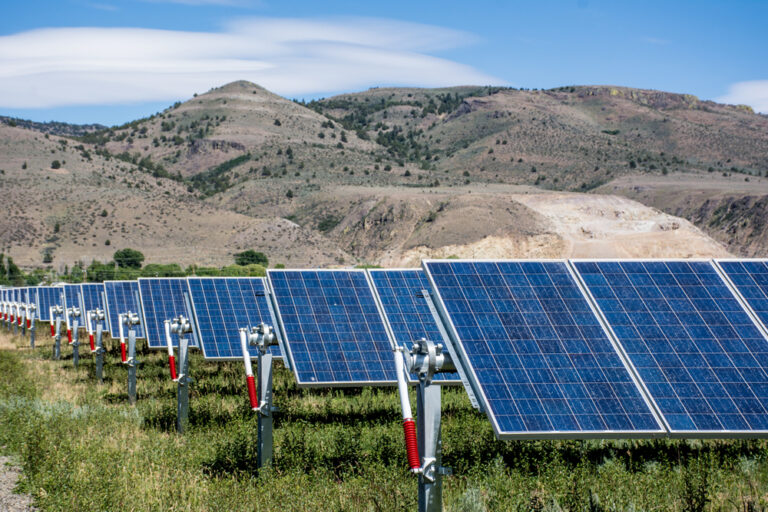
CPP’s wind engineers aren’t just pioneers in wind loading on solar panels, they’re also renowned leaders in dynamic wind forces on structures. Our wind experts are even responsible for the…
CPP’s Senior Principal John Carter explains the importance of boundary layer wind tunnels for testing wind effects on structures and presents how they differ from aeronautical wind tunnels.
Buildings traditionally rely on mechanical air conditioning to ensure occupant comfort and safety during hot weather. But such mechanical systems can sometimes be downsized or eliminated altogether when engineers and…
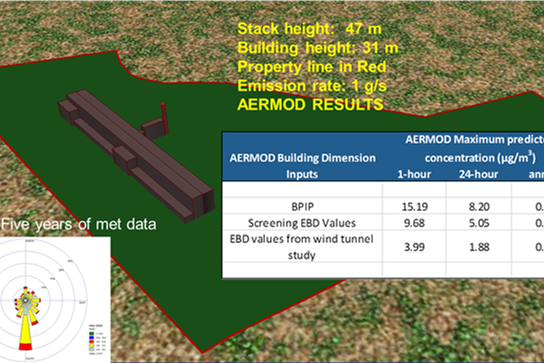
How Better Inputs Can Give You Better Results Introduction AERMOD is known to calculate exhaust concentrations, in certain situations, that are less accurate and worse than they really are. Because…
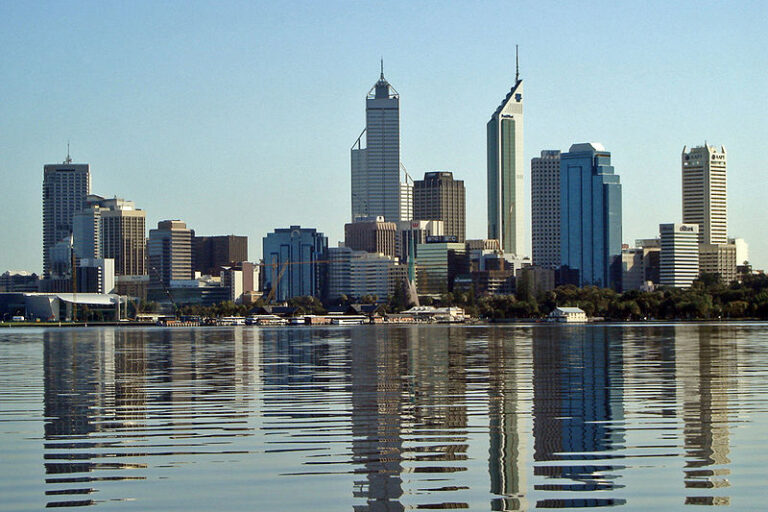
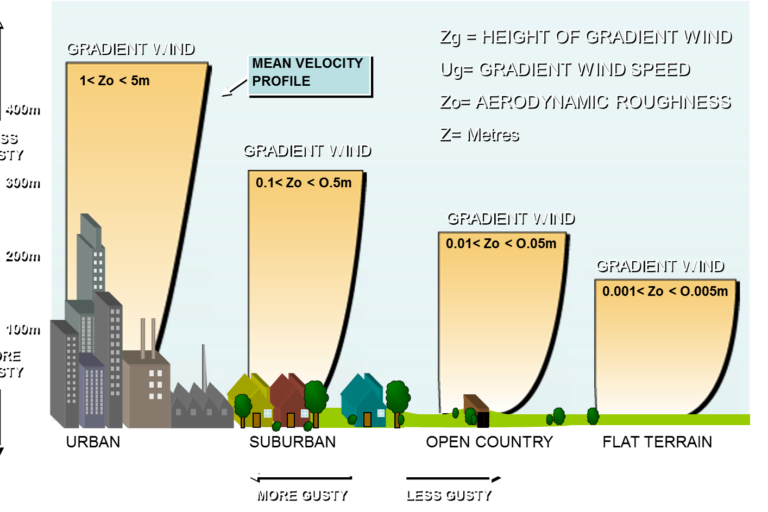
We all intuitively know that the wind affects things on the ground. But did you know that things on the ground also affect the wind? Highly developed environments tend to…
It’s a simple question, right? In a thunderstorm, television weather reporters might speak about sustained winds of 50 kilometers per hour (31 mph) with gusts as high as 100 (62…

CPP, Inc., is at once delighted and filled with regret to announce the retirement of Dr. Jon Peterka, one of our company’s original three founders. Jon’s last day of active…
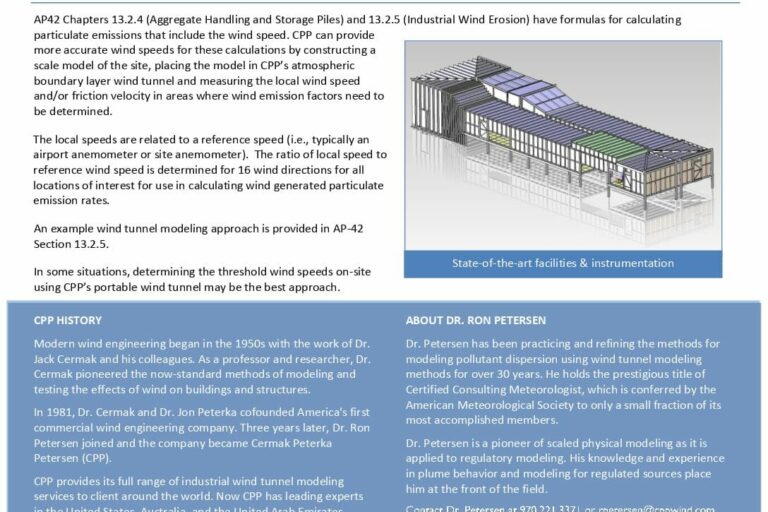
Looking for a PDF with some information about CPP services? Here they are: Air Quality Brochure Air Quality Overview CPP Overview CPP Brochure (US) CPP Brochure (AU) CPP Total Comfort…
Scenario: A guy walks up to a wind engineer and says…. I just got off the phone with a grad student at the local university who was breathless with good news…
CPP’s Vice President of Air Quality, John Carter discusses the fallacy of “Effective Stack Height.”
CPP Wind Senior Associate John Carter explains how laboratories can save energy and money by knowing how the wind affects the exhaust plume and adjusting exhaust fan usage accordingly.

President

Chief Executive Officer

Chief Operating Officer

Managing Director – Sydney & Global Chief Technical Officer

Vice President & Practice Lead

Vice President & Practice Lead

Vice President

Managing Director – Canada & Engineering Manager

Vice President

Vice President Business Strategy & Key Account Management

Senior Principal

Senior Principal

Principal

Principal & Renewable Energy Engineering Manager

Principal

Principal

Principal & Senior Design Manager, Australia & Malaysia

Principal

Principal & Engineering Manager

Principal & CFD Manager

Associate Principal

Associate Principal

Associate Principal

Associate Principal

Associate Principal & Structural Engineering Manager

Associate Principal

Associate Principal

Associate Principal & Laboratory Operations Manager

Associate Principal

Associate Principal

Associate Principal & Weather & Climate Insights Manager

Associate Principal & Engineering Supervisor
Associate Principal

Associate Principal & Air Quality Engineering Manager

Strategic Operations Lead, Laboratory
Master Scheduler & Project Management Group Manager